
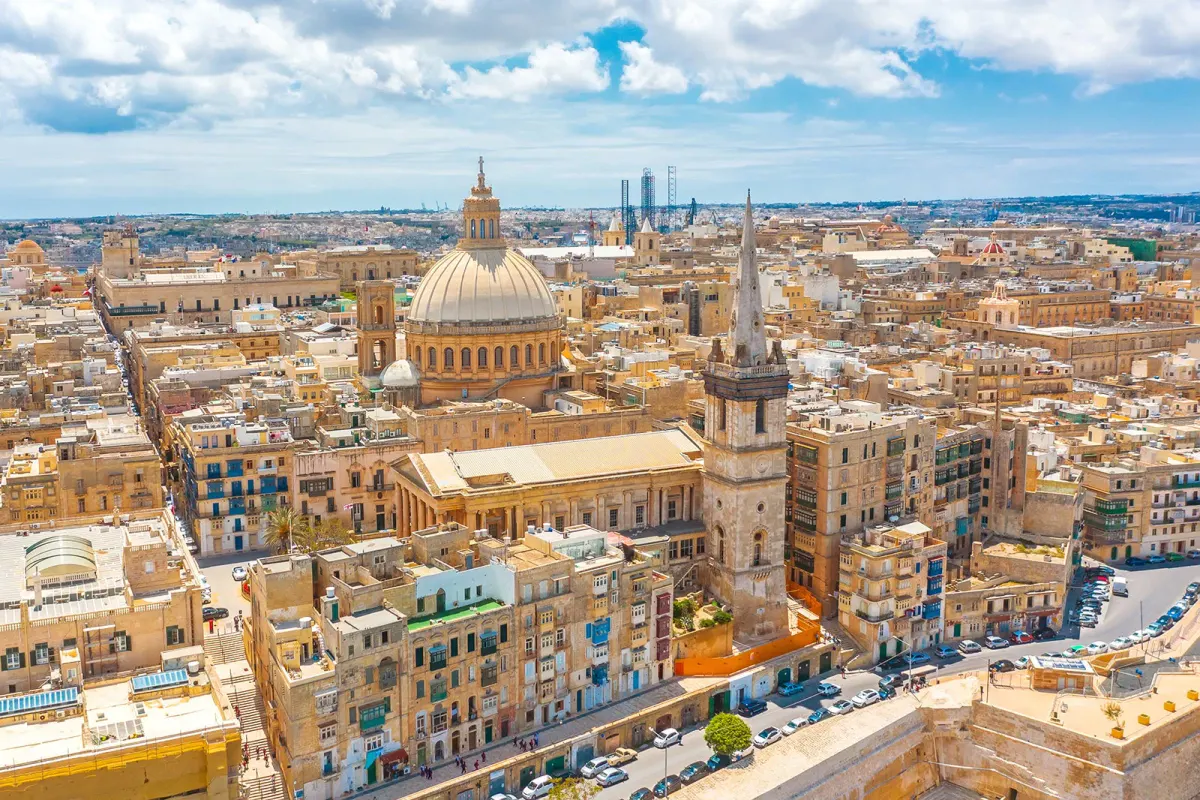
If you visit the capital of Malta and wonder what to see in Valletta, there are at least 10 unmissable places to include in your itinerary: from St. John's Co-Cathedral to the Grand Master's Palace, passing through the Upper Barrakka Gardens and the charming Republic Street in the heart of the city.
In this guide you will also find updated prices, information on what is free and some curiosities and advice from locals who hardly tell you how to reach them.
Valletta is in fact one of the smallest capitals in Europe, but UNESCO counts within it around 320 monuments in just 55 hectares, one of the highest concentrations of historical heritage in the world. The city, founded in 1566 after the Great Siege of Malta, is UNESCO World Heritage Site since 1980.
In short, if you thought that Malta was only sea, beaches and evenings, Valletta will probably change your mind.
Here are the 10 places to see in Valletta at least once. with the related costs and curiosities from local that no one tells you!
Do you want to discover our English courses in Malta? Check out our all-inclusive packages.
What to see in Valletta: 10 highlights of Malta’s capital
- The Co-Cathedral of San Giovanni
- The Grand Master's Palace and the Armoury
- Upper Barrakka Gardens and Lower Barrakka Gardens
- The National Museum of Archaeology
- The Church of the Shipwreck of Saint Paul
- Manoel Theatre
- Fort St. Elmo and National War Museum
- The Sacred Infermeria and the virtual museum
- Hastings Gardens
- Republic Street
- The Co-Cathedral of San Giovanni
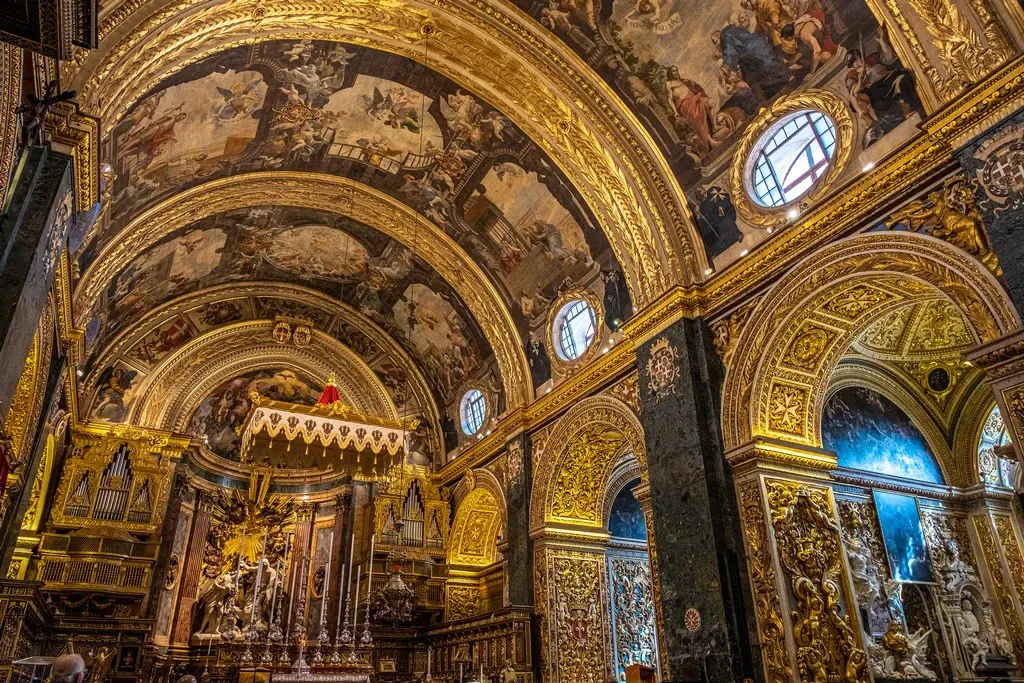
Let's start from the most beautiful place to visit in Valletta, la St. John's Co-Cathedral built for the Order of the Knights of St. John in the second half of the sixteenth century.
The interior is real triumph of Maltese Baroque: decorated walls, gold, chapels dedicated to the different languages spoken by the Order, funerary monuments and a floor covered with the elaborate marble tombs of the Knights.
In Valletta inside the St. John's Co-Cathedral you can see two works by Caravaggio:
- Saint Jerome writing;
- The Beheading of Saint John the Baptist.
And the latter is the largest created by Caravaggio and is the only known work signed by the artist.
Caravaggio arrived in Malta in 1607, even became a Knight of the Order and shortly afterwards he ended up in trouble again, was imprisoned in Fort St. Angelo and managed to escape from the island.
Mattia Preti painted the entire ceiling with an innovative technique for his time: oil painting directly on stone. Preti exploited the unique properties of the Maltese globigerina stone, a porous limestone rock. Before painting, the stone came wet and saturated with linseed oil and only after it was dry did the painter apply the oil colours directly.
Curiosity from local:
The floor of St. John's Co-Cathedral in Valletta is marble and consists of commemorative plaques representing the 405 knights of the Order of Malta.
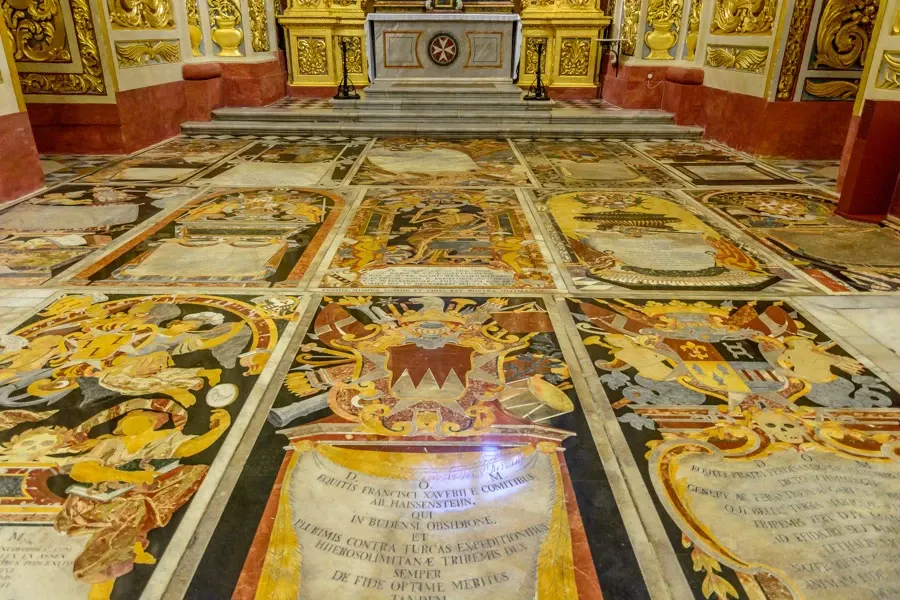
The cathedral and its magnificent baroque ornaments also host a crypt with the tombs of the masters who marked the Order of Malta including those of Philippe de Villiers de L'Isle-Adam and Jean de Valette, yes, the very general who conquered and gave his name to the Maltese capital.
How much does it cost?
Ordinary entry currently costs 15 euros for adults and 12 euros for students and seniors, with audio guide included. Times may change, so always check the official website before visiting.
How to get to St. John's Co-Cathedral in Valletta?
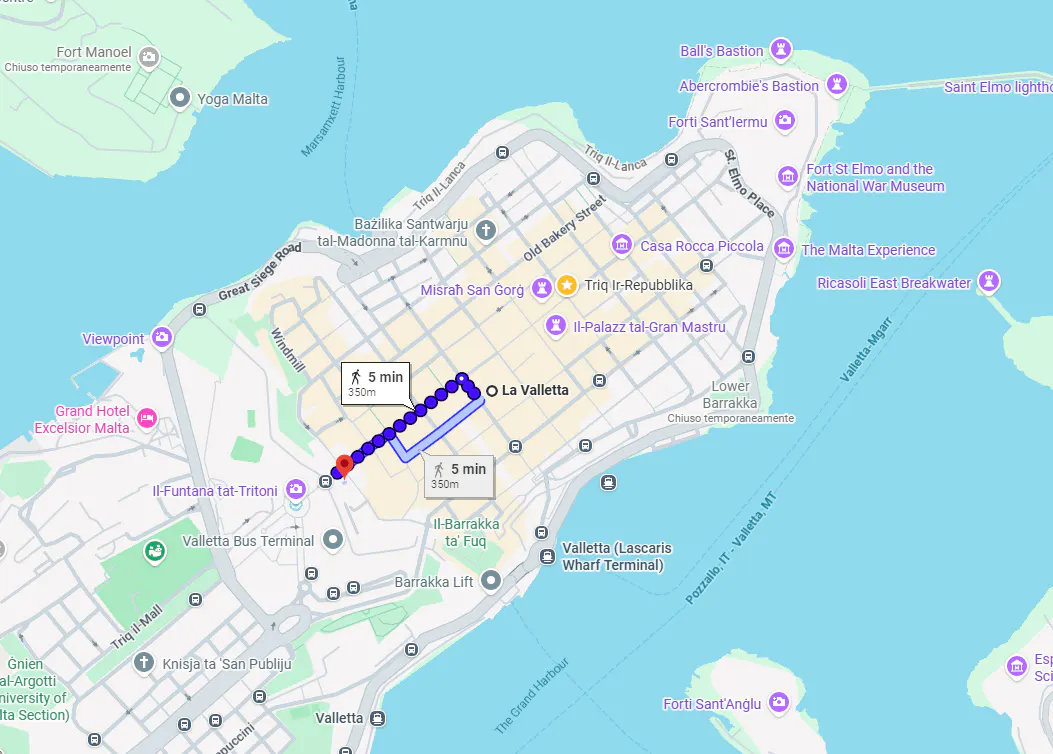
St. John's Co-Cathedral is located in the historic centre of Valletta, a 5-minute walk from City Gate. Once you have crossed the main entrance to the city, continue along Republic Street, the main street of Valletta, until you arrive near St John's Square.
From there, just turn right and walk a few meters and you will find the Co-Cathedral of St. John of Valletta on your left.
Are you working but want to improve your English? Discover the article: Can you study English while working remotely?
- The Grand Master's Palace and the Armoury
A few minutes from the Co-Cathedral you will find one of the most important buildings in Maltese history: the Grand Master's Palace, overlooking St George's Square.
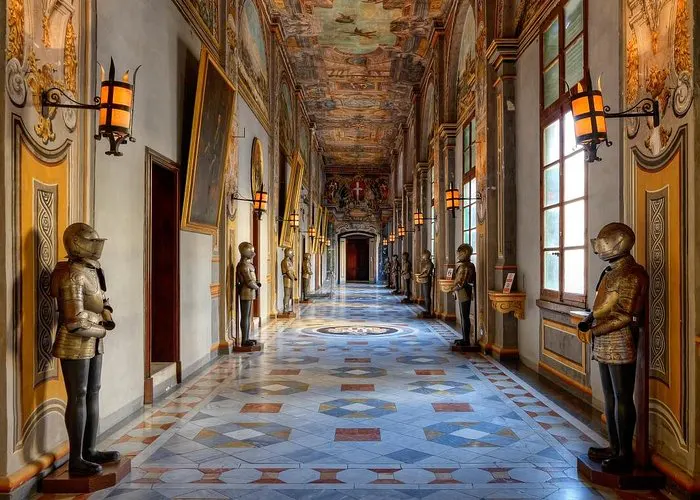
For centuries it has been the centre of power in Malta.
It was the seat of the Grand Masters of the Order, subsequently of the British governors and today hosts theOffice of the President of the Republic of Malta.
And then there is the Armory
The Palace Armory it preserves armor that belonged to the Knights and Grand Masters, Ottoman weapons, cannons and other pieces linked to the military history of the Order.
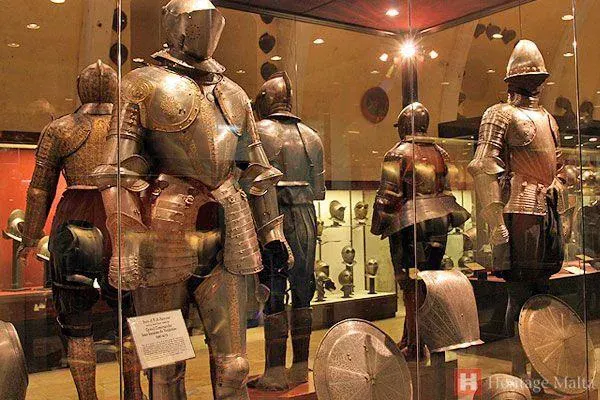
Curiosity from local:
Heritage Malta considers it one of the most important collections of historical weapons and armor in the world, with pieces also belonging to Jean de Valette and Alof de Wignacourt.
One thing to know: the Palace is still home to theOffice of the President of Malta, therefore some rooms may be temporarily closed for ceremonies or institutional functions.
Want to study English abroad? Why Malta is a great low-cost destination
How much does it cost?
The ticket of Grand Master's Palace, which also includes a visit toArmory, currently costs:
- Adults (18+): €12
- Children 12–17 years: €10
- Over 60: €10
- Children 6–11 years: €8
- Children 1–5 years: free.
How to get to the Grand Master's Palace and Armory in Valletta?
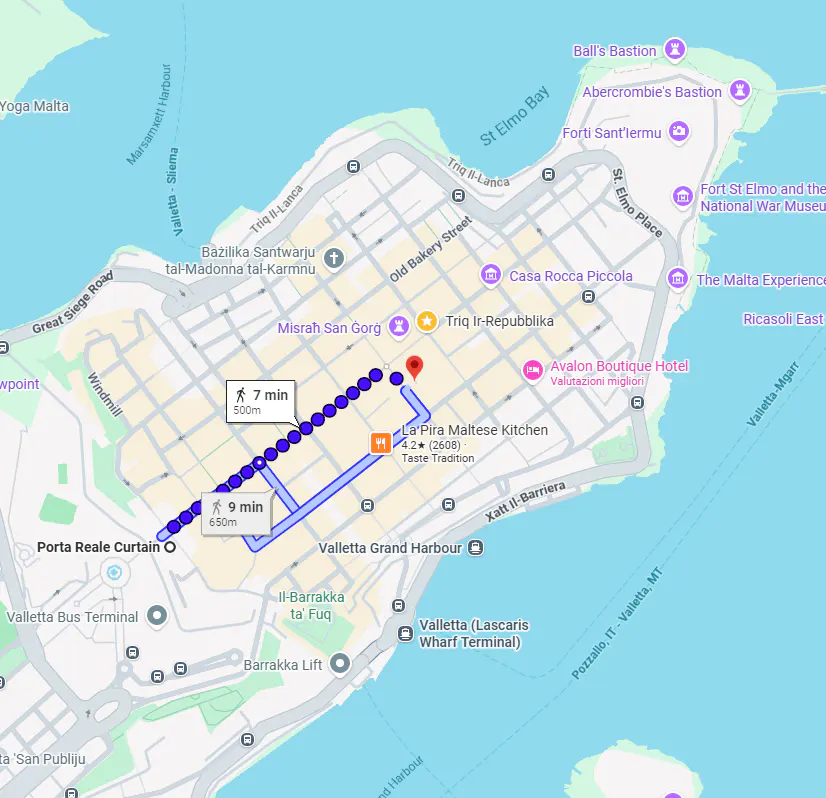
The Grand Master's Palace and the Armory can be easily reached on foot from City Gate in approximately 7-9 minutes.
Once you enter Valletta, continue along Republic Street and after a square with some tables and chairs you will find the National Library of Malta, past that you will be in St George Square on the left and the Grand Master's Palace on the right.
- Upper Barrakka Gardens and Lower Barrakka Gardens
If you want one of the most beautiful photographs of Valletta, you have to come here. The Upper Barrakka Gardens they directly overlook the Grand Harbor and offer spectacular views of the Three Cities.
Discover in this article the wonders of Three Cities: Bormla, Birgu and Isla
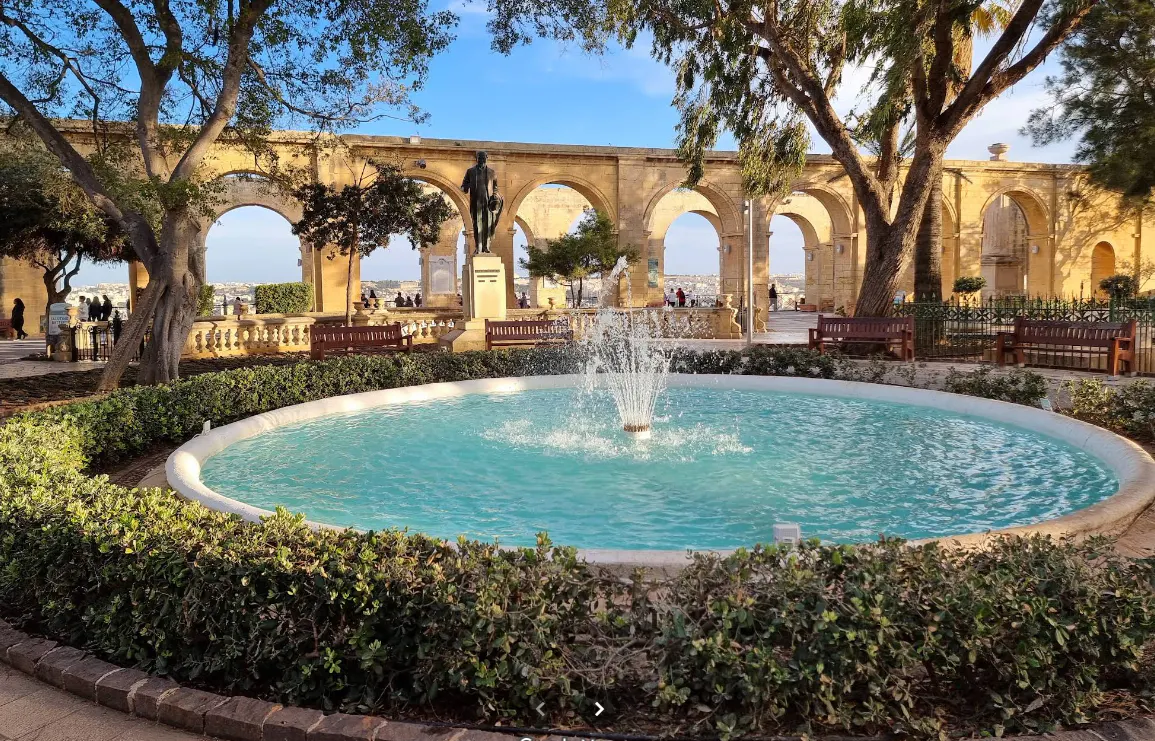
What to see in Valletta? The cannon firing ceremony
Demonstrations with cannons are still carried out today 12:00 and 16:00, from Monday to Saturday.
If you want to witness the ceremony up closeSaluting Battery", or the salute of the military who in the past fired blank shots to greet arriving ships.
It is advisable to still attend the ceremony today by re-enactors in period uniform arrive at least 20 minutes early: it is one of the most photographed moments of the day in Valletta.
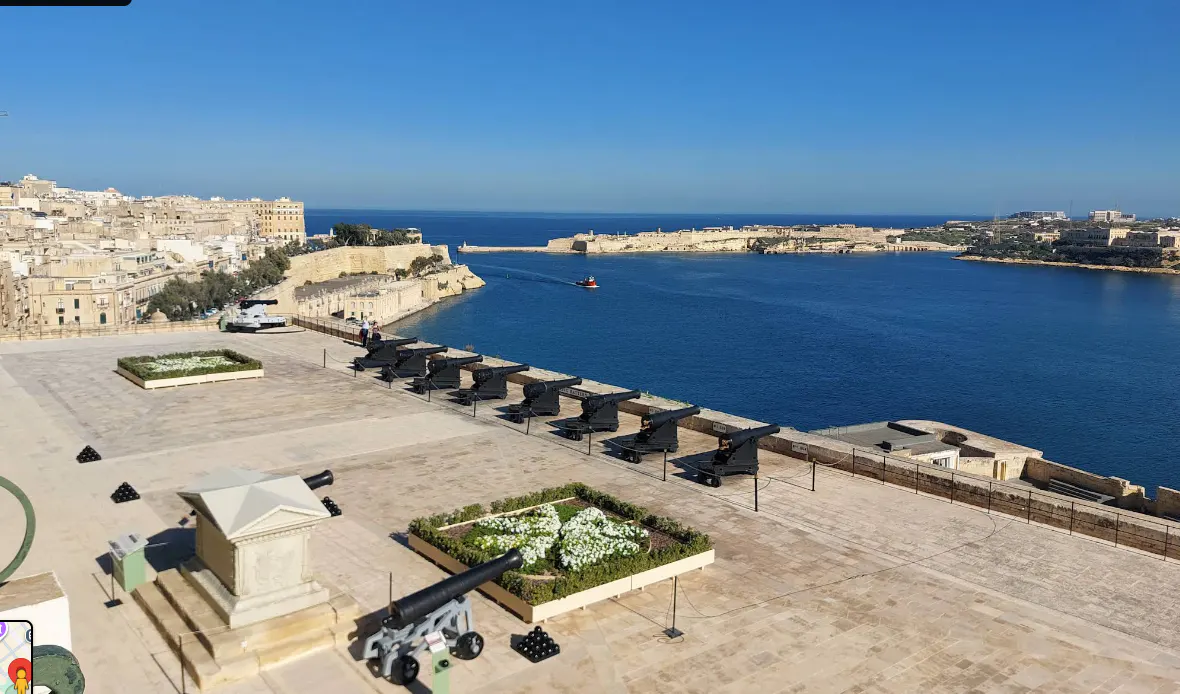
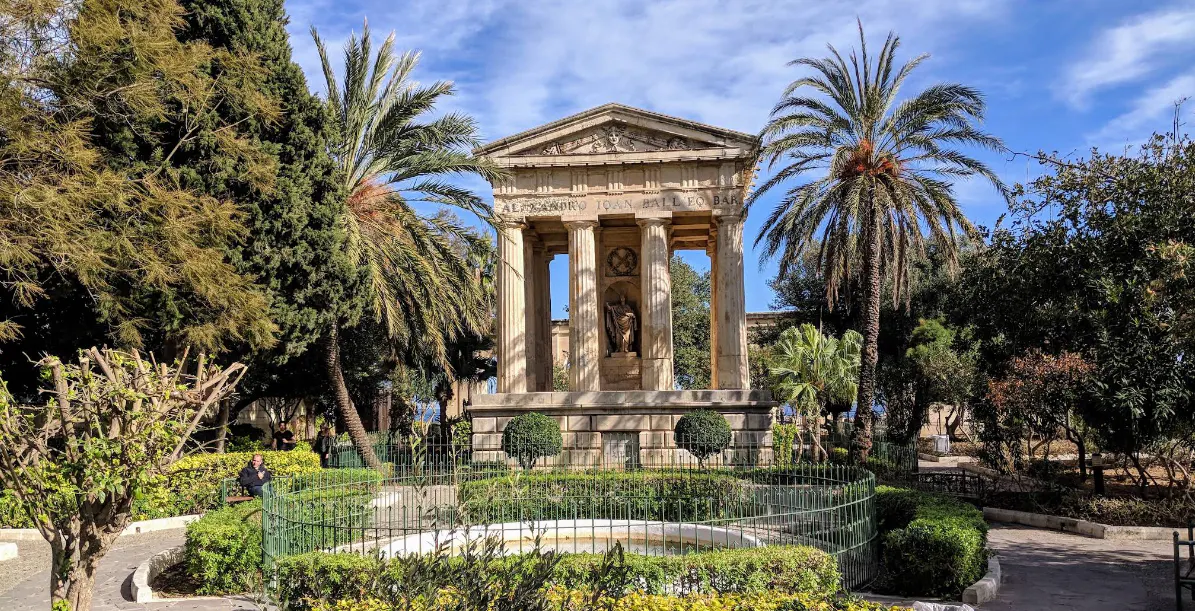
A little further on you will find i Lower Barrakka Gardens. They are smaller, generally quieter and offer another beautiful view of the harbour.
Also nearby is the Siege Bell Memorial, built in memory of the victims of the Second Siege of Malta during the Second World War.
Curiosity from local:
If you want to reach the port from Upper Barrakka, you can use the Barrakka Lift and quickly descend towards the waterfront.
From there you can cross the Grand Harbor by boat and reach the Three Cities.
It's absolutely worth it.
How much does it cost?
- Going to the Upper and Lower Barrakka Gardens is completely free.
- The only cost you can have is if you want to take advantage of the Barrakka Lift, or the elevator that connects the Grand Harbor waterfront area to the Upper Barrakka Gardens. The standard ticket costs €1 return on the same day. If you have one instead Tallinja Card Student, the use of the lift is also free.
- Or if you want to see the Saluting Battery from up close you just need to go down the stairs in the centre of the Upper Barakka gardens, pass a gate and pay the ticket costing 3 euros for adults and 1 euro for children under 16 years old.
If you are thinking of leaving, find out How to add a language study trip to Malta to your CV
How to get to Upper Barrakka Gardens?
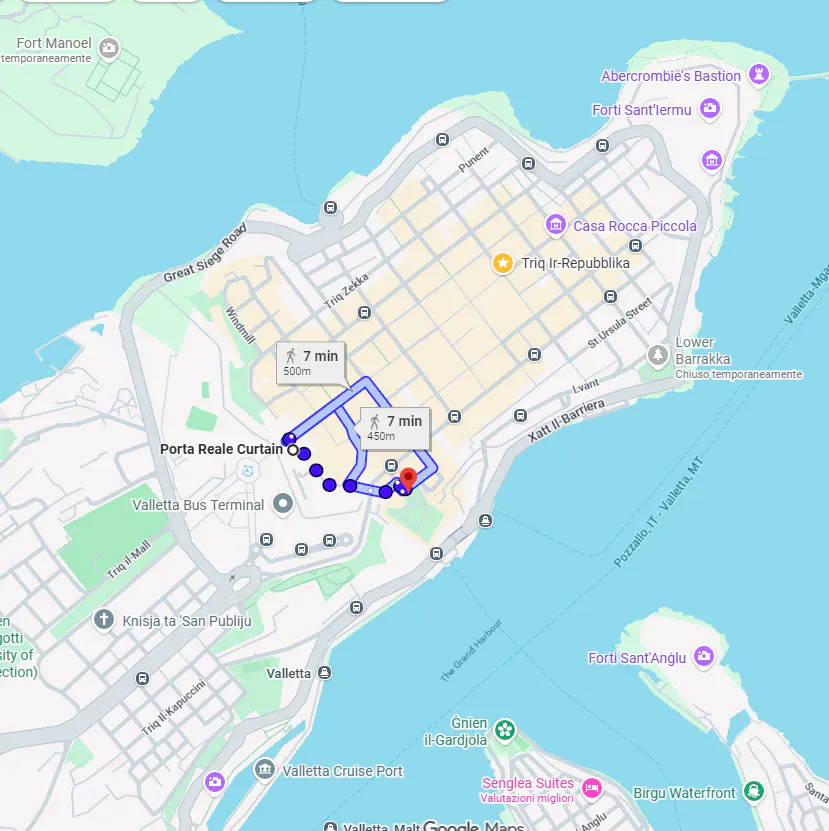
Upper Barrakka Gardens can be easily reached on foot from City Gate in around 7 minutes. After crossing City Gate, pass the Malta Parliament and continue right towards Castille Place, the square where the Auberge de Castille is located, home to the Maltese Prime Minister's Office, the building where you will find many tourists taking photos near the cannons, so to speak.
Once you have Castille Place on your left just go straight towards the Malta Time-Gun Museum.
From there you will see a dark green gate on the left and those will be the gates to the Upper Barakka Gardens.
Please note that Upper Barrakka Gardens is generally open daily from 7am to 10pm
How to reach the Lower Barrakka Gardens in Malta?
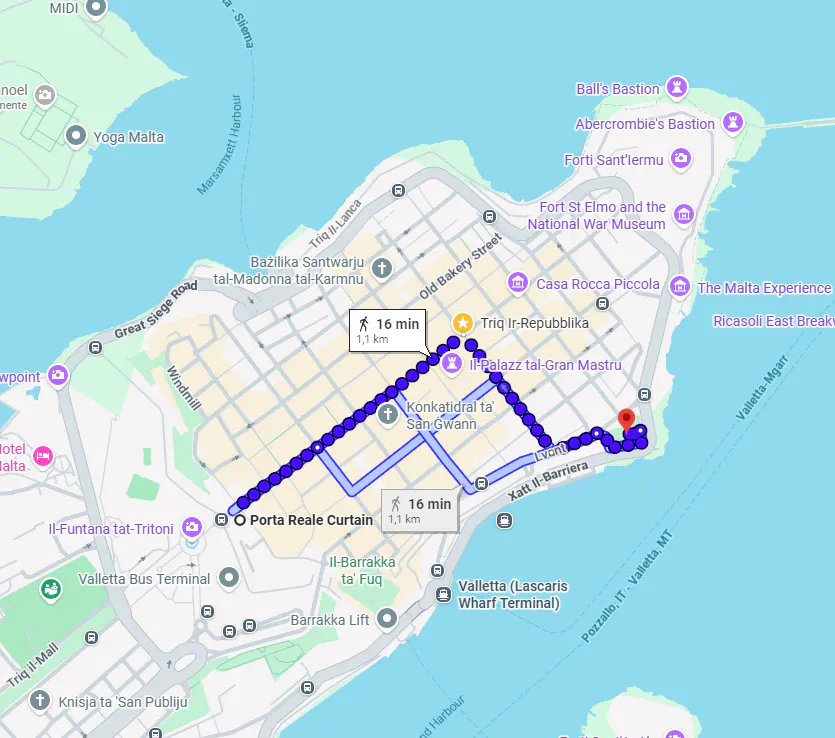
Lower Barrakka Gardens can be reached on foot from City Gate in around 15-20 minutes
After passing through City Gate, pass the Malta Parliament and head towards the gate to enter the Upper Barakka Gardens, but continue to the left.
Walk about 200 meters on St. Ursula Street, once you come across some stairs on the right, continue along Levant Street and when you see a small Greek temple on your right you will have arrived at your destination.
- The National Museum of Archaeology
The National Museum of Archaeology and contains some of Malta's most famous archaeological objects.
It's the perfect destination whether before or after seeing the megalithic temples of Malta you want to understand who built them, this is the right place.
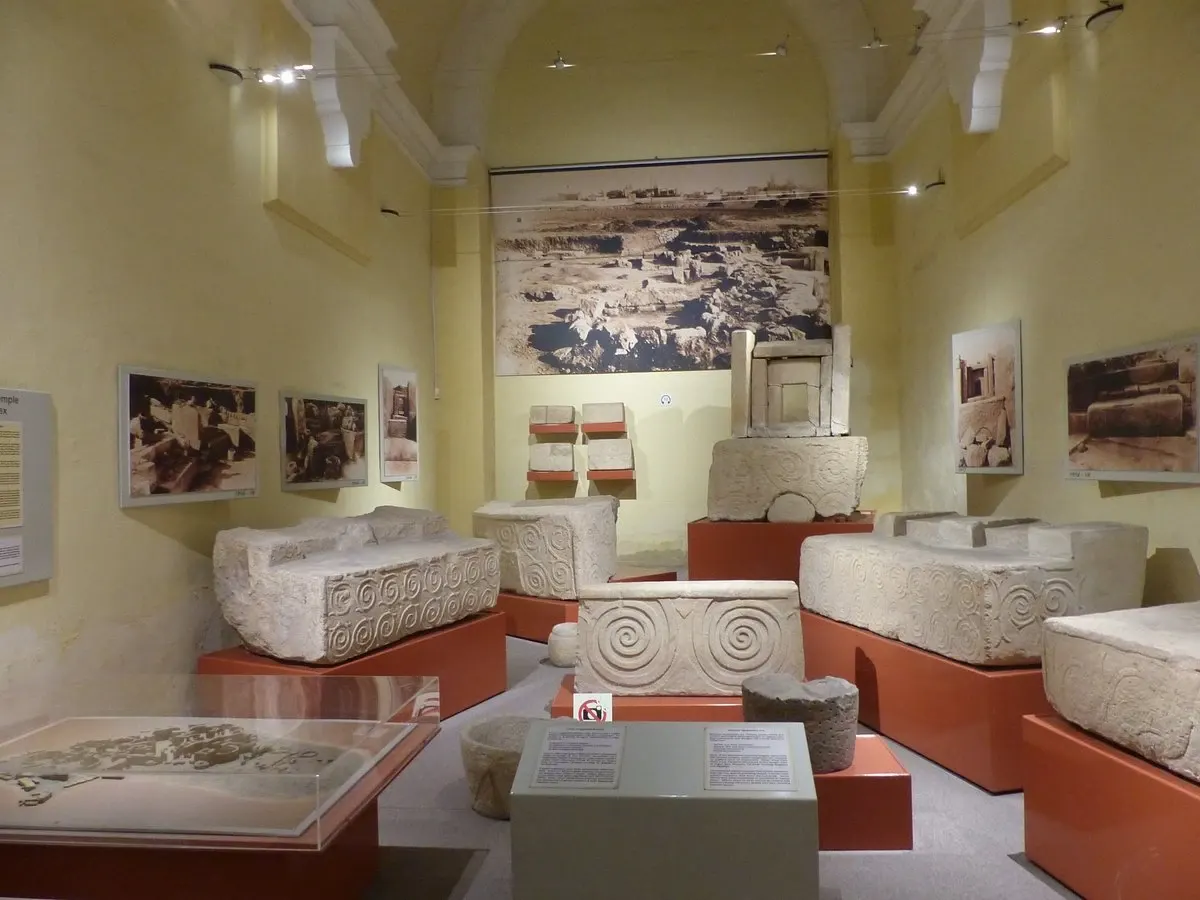
Among the objects to see in the National Museum of Archeology in Malta is the Sleeping Lady, a very small prehistoric statuette found in the Ħal Saflieni Hypogeum.
If you have read our article on UNESCO sites in Malta, you've probably already heard of it.
Curiosity from local:
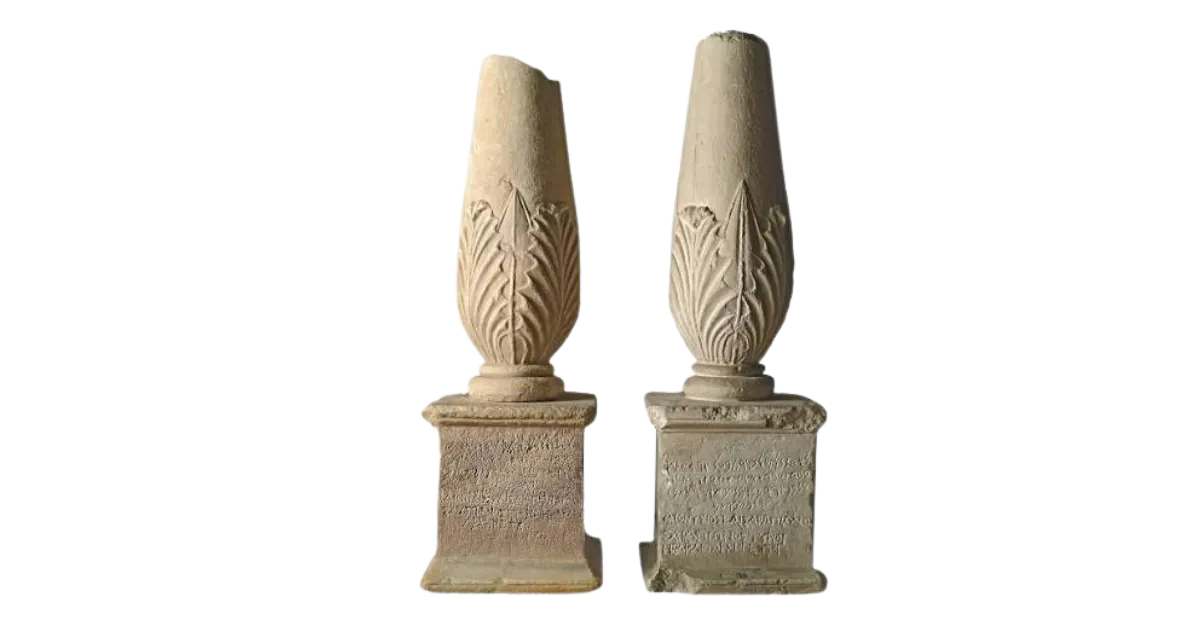
Here you can also see the Cippi of Malta, one pair of votive pillars in white marble dating back to the 2nd century BC. of inestimable value.
Consider yourself the "Rosetta Stone" of the Phoenician language: thanks to their bilingual inscription, i.e. Phoenician and ancient Greek alphabet, the French archaeologist Jean-Jacques Barthélemy managed to decipher the Phoenician alphabet.
It is one of those museums that I recommend above all before visiting Ħaġar Qim, Mnajdra or the Hypogeum, because it allows you to understand much better what you will see next.
How much does it cost?
- Adults: 5 €
- Children (12-17 years), Students and seniors over 60: 3,50 €
- Children 6-11 years: 2,50 €
- Children 1-5 years: free
How to reach the National Museum of Archeology of Malta?
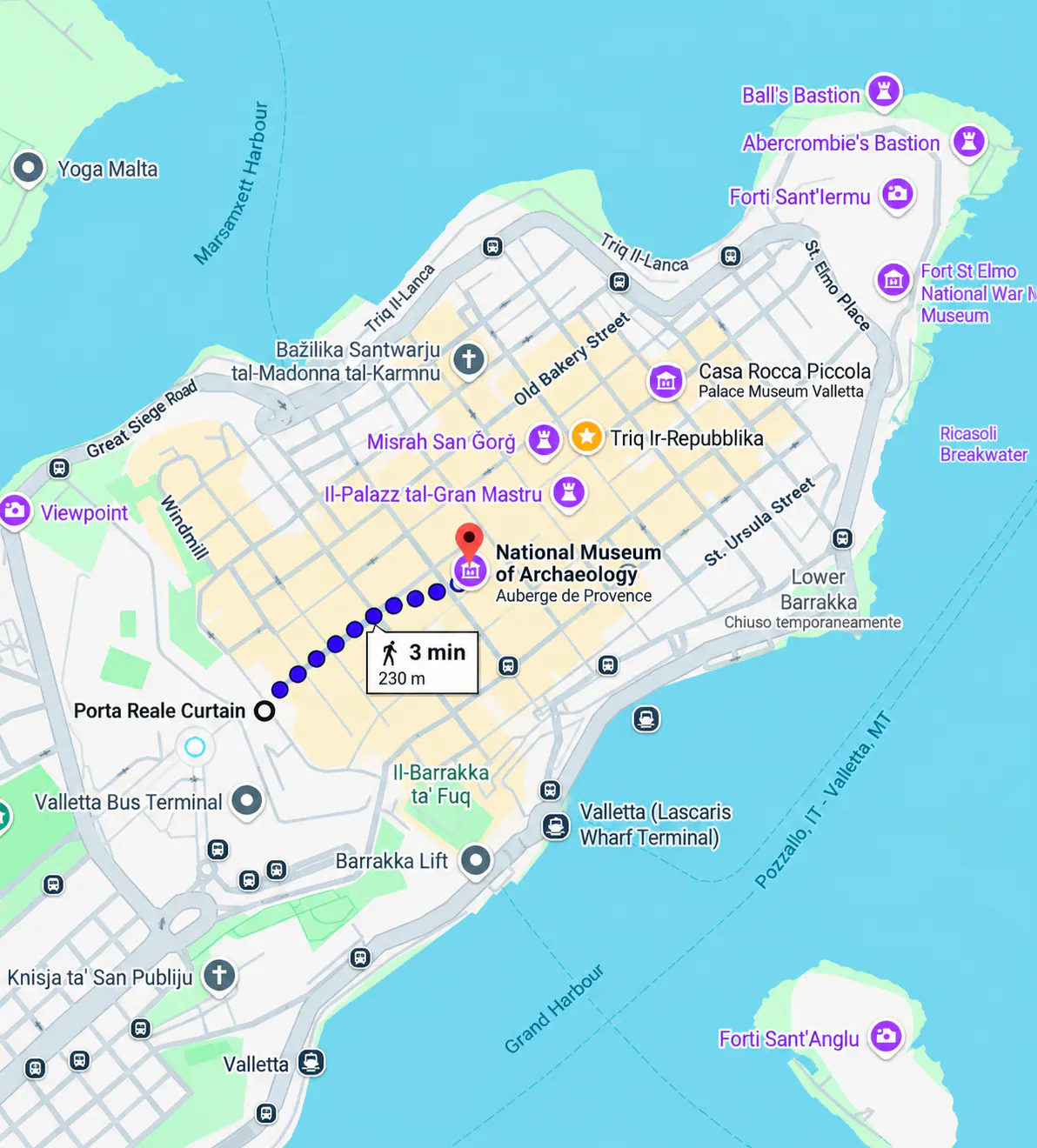
The National Museum of Archeology is located on Republic Street, in the heart of Valletta, and is very easy to reach on foot from City Gate.
After crossing the main entrance to the city, pass the Parliament of Malta and continue along the main street, where you will find shops, cafes, historic buildings and many tourists walking towards the centre.
From City Gate the museum can be reached in about 3 minutes on foot.
Short on time in Malta? An itinerary for a relaxed visit
- The Church of the Shipwreck of Saint Paul
The St. Paul's Shipwreck Church in Valletta it is one of the most significant places to visit if you want to really understand the link between Malta and the figure of Saint Paul.
Although it often takes second place compared to the more famous St. John's Co-Cathedral, this church preserves a very important part of the Maltese religious and cultural identity.
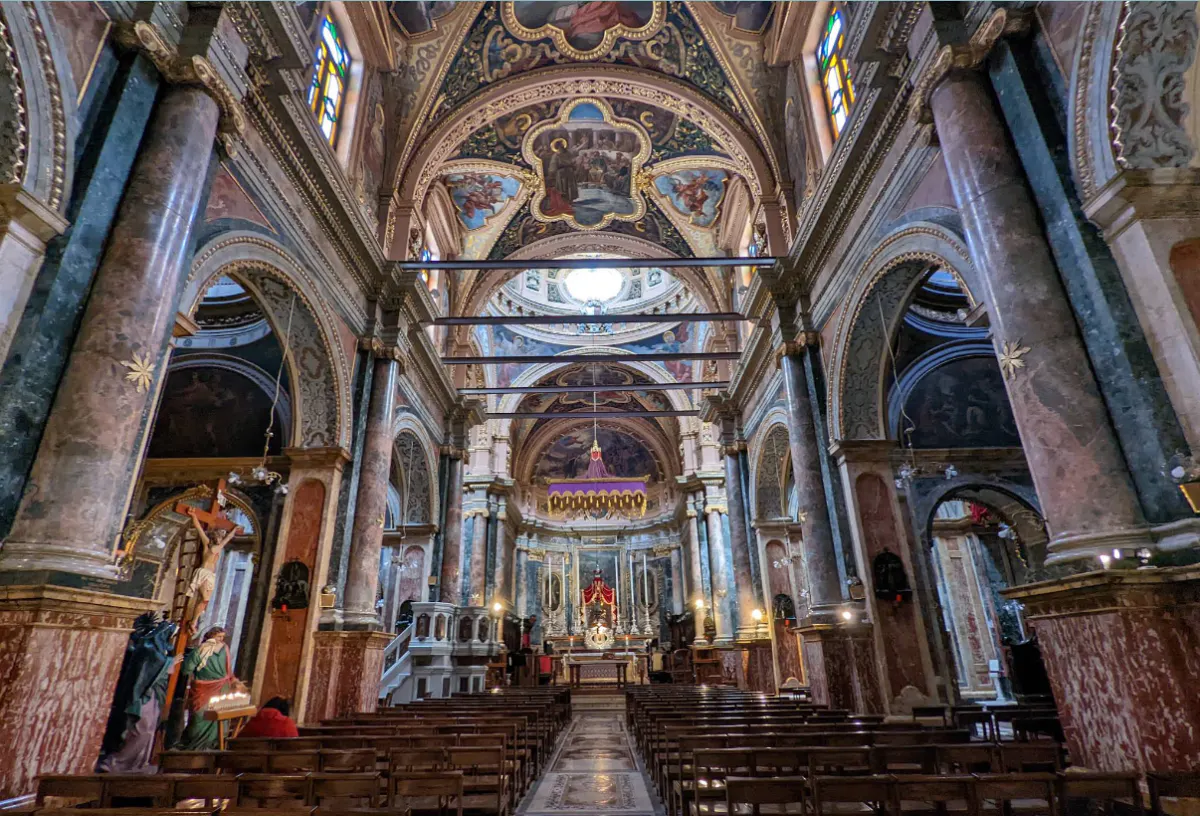
According to Christian tradition, the shipwreck of Saint Paul on the island, which occurred around 60 AD, marked the beginning of the spread of Christianity in Malta.
Find out how the San Paolo shipwreck gave birth to the Camino Maltés, the Camino de Santiago which starts from Malta.
Curiosity from local:
You can also discover two acquisitions donated by Pope Pius VII which are highly venerated today. One is believed to be a fragment of the wrist bone of Saint Paul and the other is one of the marble pillars of the table on which the apostle was beheaded.
How much does it cost?
Visiting the Church of the Shipwreck of St. Paul in Valletta is free. There is no real entrance ticket, but a small donation can be requested or suggested inside to contribute to the maintenance of the church.
How to reach the Church of the Shipwreck of St. Paul in Malta?
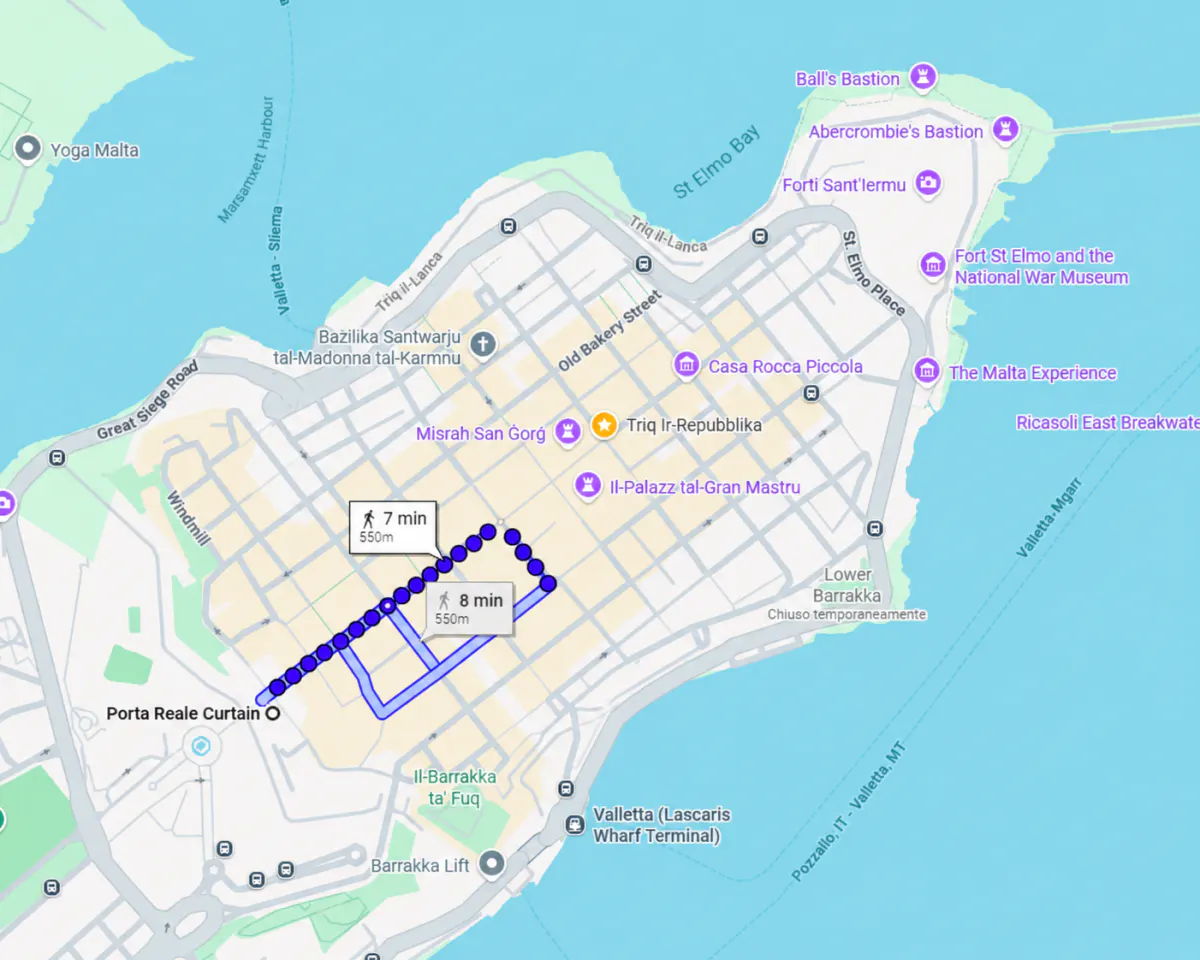
After passing City Gate, enter the city and continue towards the heart of Valletta, passing the Parliament of Malta and the main streets full of shops, cafes and historic buildings. The route is pleasant because it takes you into the liveliest part of the capital, among colorful balconies, Maltese stone buildings and side streets that go down towards the sea.
To orient yourself, you can take the Concathedral of San Giovanni as a reference, after passing it turn right, after about 20 meters you will find it on your left.
- Manoel Theatre
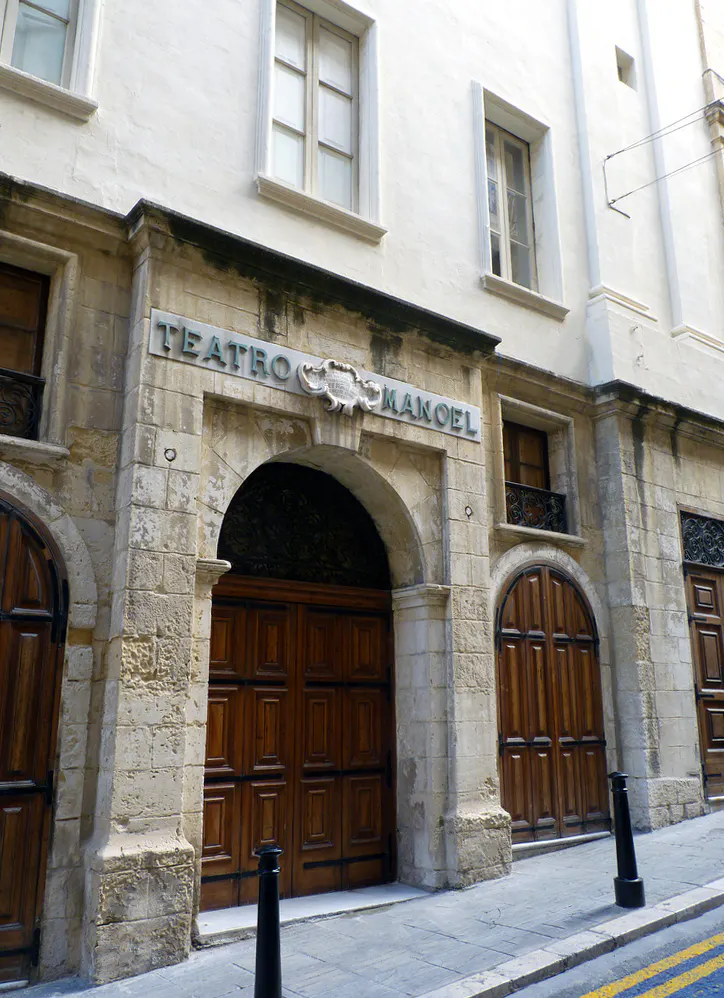
The Teatru Manoel it was commissioned by the Grand Master António Manoel de Vilhena in 1731 and inaugurated in January 1732.
Today it is considered the third oldest theater still in operation in Europe and the oldest operational theater in Europe.
The interior is completely different from the simplicity of the exterior: wooden stages, golden decorations, velvets and a cozy room with an incredible atmosphere.
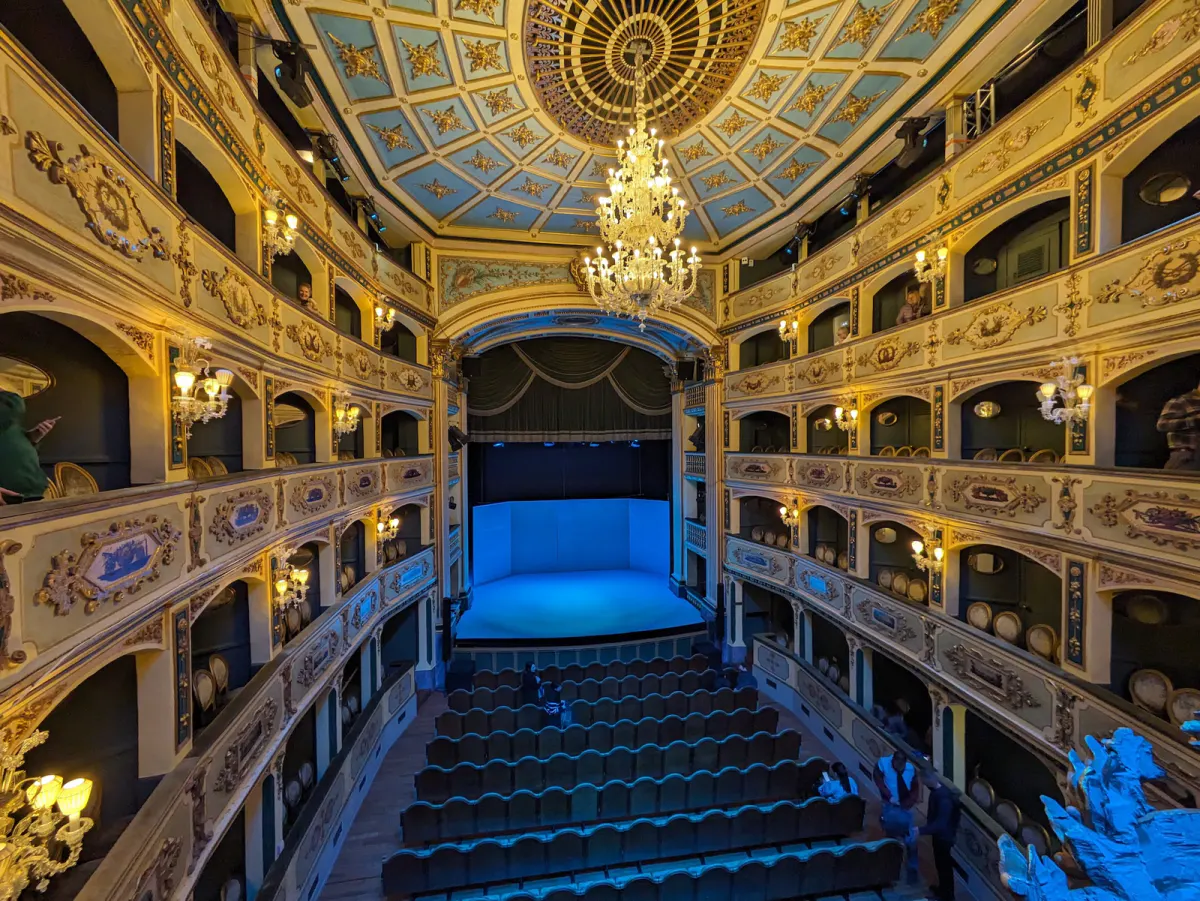
Once the Ottoman threat was eliminated, Valletta gradually changed its face to become a festive and fun city.
The Manoel Theater is one of the first buildings built to respond to this new need for entertainment. The Manoël theater is still in operation, now it is possible to come and visit the wooden stages decorated with gold leaf.
Curiosity from local:
It is the national theater of Malta and home to theNational Philharmonic Orchestra of Malta. It was built in 1731 and is the third oldest theater in Europe.
How much does it cost?
The price for a visit to the Manoel Theater is 10 euros. Visits take place from Monday to Saturday at set times, while the theater is closed on Sundays.
How to reach the Manoel Theater in Malta?
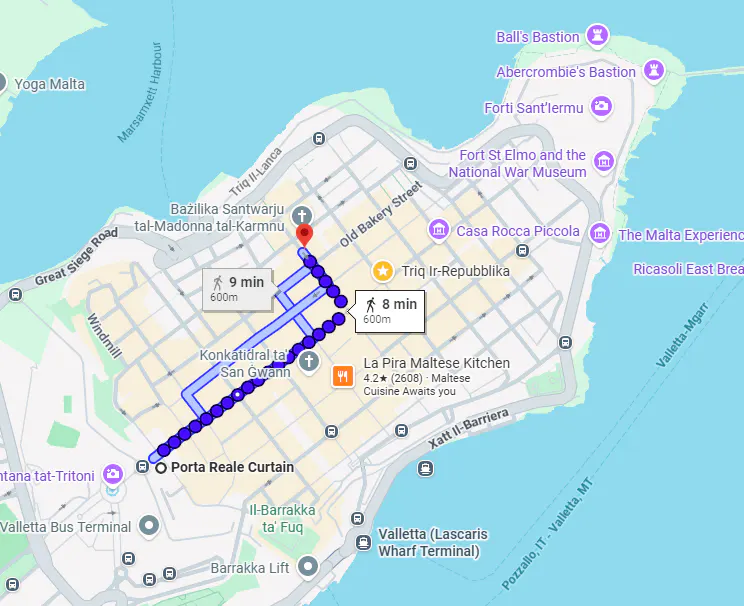
The Teatru Manoel It can be easily reached on foot from City Gate in approximately 8-10 minutes. After passing through the main entrance to Valletta, continue towards the historic centre along the main street.
At the crossroads between the grand master's palace and Piazza San Giorgio, turn left and continue for 20 meters, and you will find the Teatru Manoel right on your right.
- Fort St. Elmo and the National War Museum
At the end of Valletta there is still something to see and that is the Fort St. Elmo. It is no coincidence that it is at the end because from here there they simultaneously control the Grand Harbor and the Marsamxett Harbour.
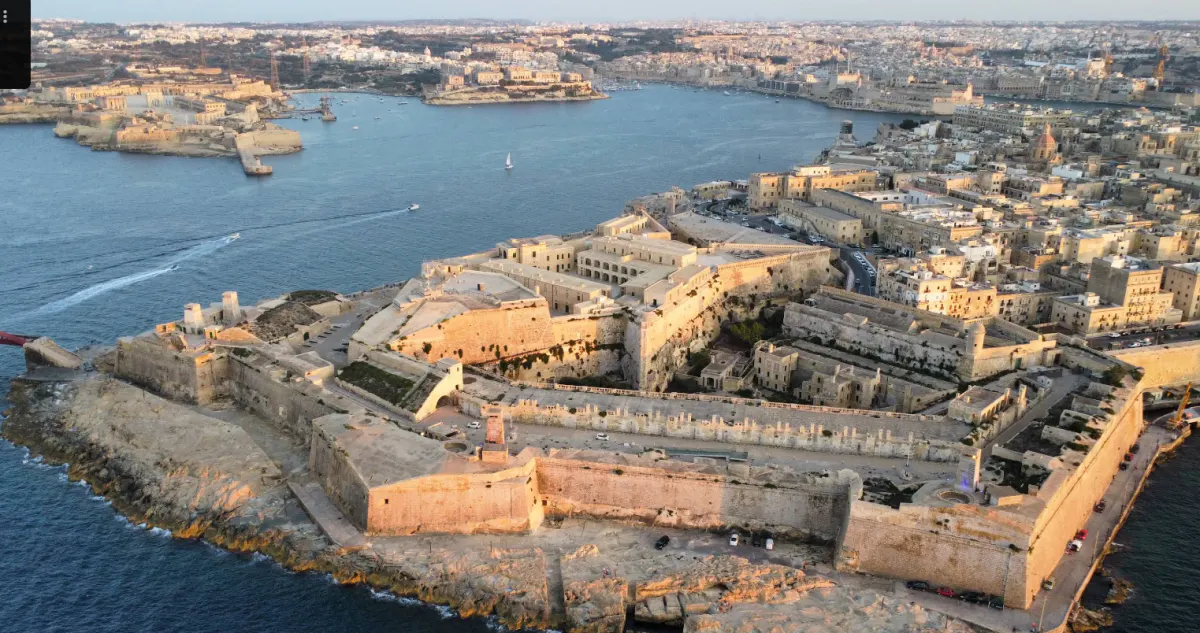
The fort is mainly linked to the Great Siege of 1565, when the Knights and the Maltese defenders offered very stiff resistance to the Ottoman army.
The Battle of Fort St Elmo is one of the most famous episodes in the history of the island.
Today inside the complex there is the National War Museum, which tells the military history of Malta through different periods, from the time of the Knights to the world wars.
And even if military museums aren't exactly your thing, it's worth coming here just for the location and sea views.
How a language study trip changes you: 3 benefits you can notice straight away
Curiosity from local:
Local advice is not to visit it just for the museum: take a few minutes to look at the view too.
How much does it cost?
The Fort St. Elmo and National War Museum ticket includes access to both the fort and the museum. Currently the prices are:
- Adults: 10 €
- Seniors over 60: 7,50 €
- Boys 12-17 years: 7,50 €
- Students: 7,50 €
- Children 6-11 years: 5,50 €
- Children 1-5 years: free
How to reach Fort St. Elmo and the National War Museum in Malta?
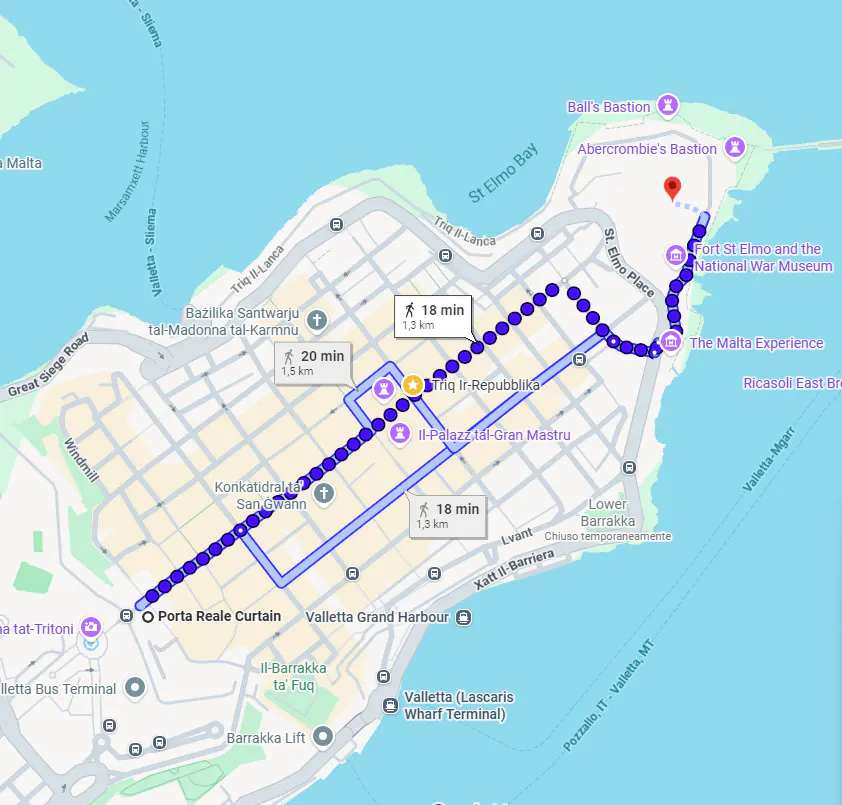
Fort St. Elmo is located at the far end of Valletta and can be reached on foot from City Gate in about 20-25 minutes. Walk along Republic Street until you are almost at the end of Valletta. When you see the turnoff for North Street you can turn right, walk about 20 meters and you will be on the main road of St. Elmo Place.
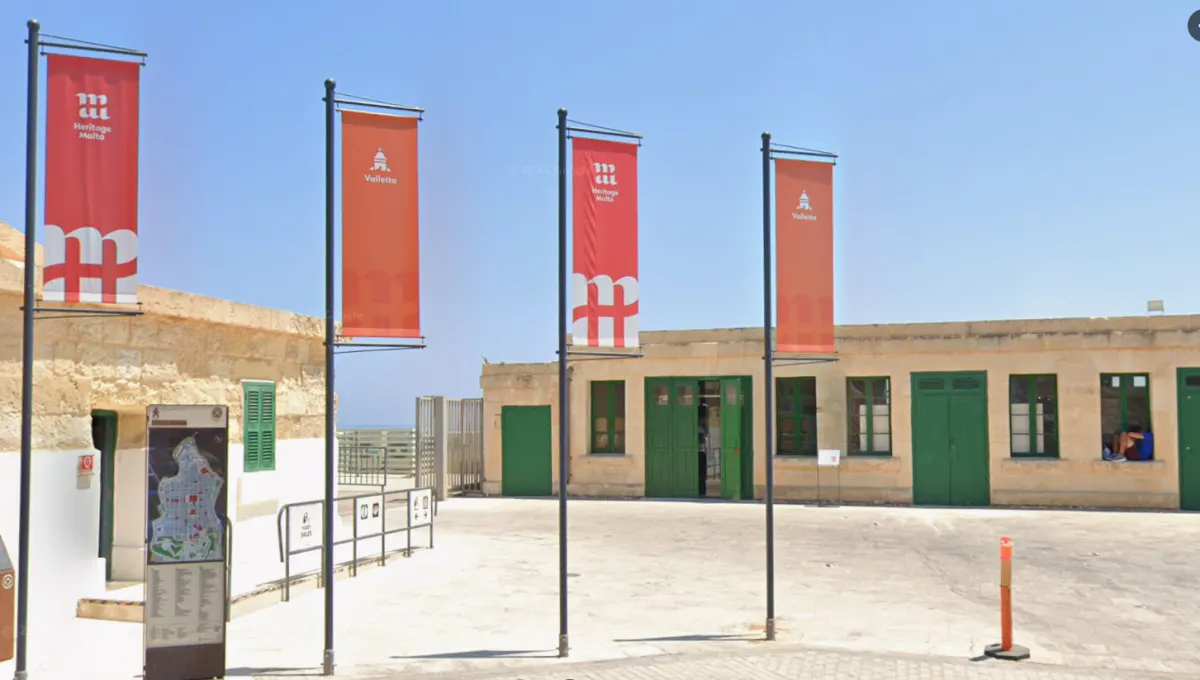
Just cross the road where you will see the Heritage Malta flags and take the small road on the left going down to the lower part.
- The Sacred Infermeria and the virtual museum
The Sacred Infermeria was used as hospital for over 400 years under the Order of the Knights of St. John, the French and also the English.
Once its function as a hospital was abandoned, the site was used as a headquarters for the Malta Police Force, like a command room during the Second World War, a children's theater and an exam centre.
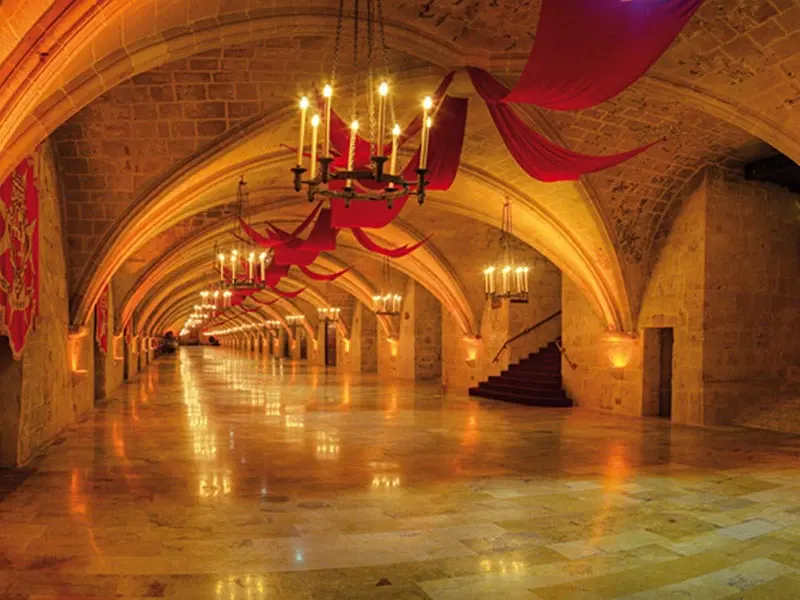
Today it represents perhaps Malta's most engaging museum experience. The EU entirely based on an experience of augmented reality where guests can get to know each other the secrets linked to history of this imposing building in Valletta.
Find out how to quickly improve your English to make a career at work with ours business English course.
Curiosity from local:
Part of the museum is now the “Mediterranean Conference Centre” (MCC) which houses a room for exhibitions and conferences.
How much does it cost?
Currently the combined ticket, which includes The Malta Experience + tour of the Sacred Infermeria, costs €20 for adults, €15.50 for students with a valid card, €9 for children aged 5 to 11 and it is free for children aged 0 to 4.
How to reach the Sacra Infermeria and the virtual museum in Malta?
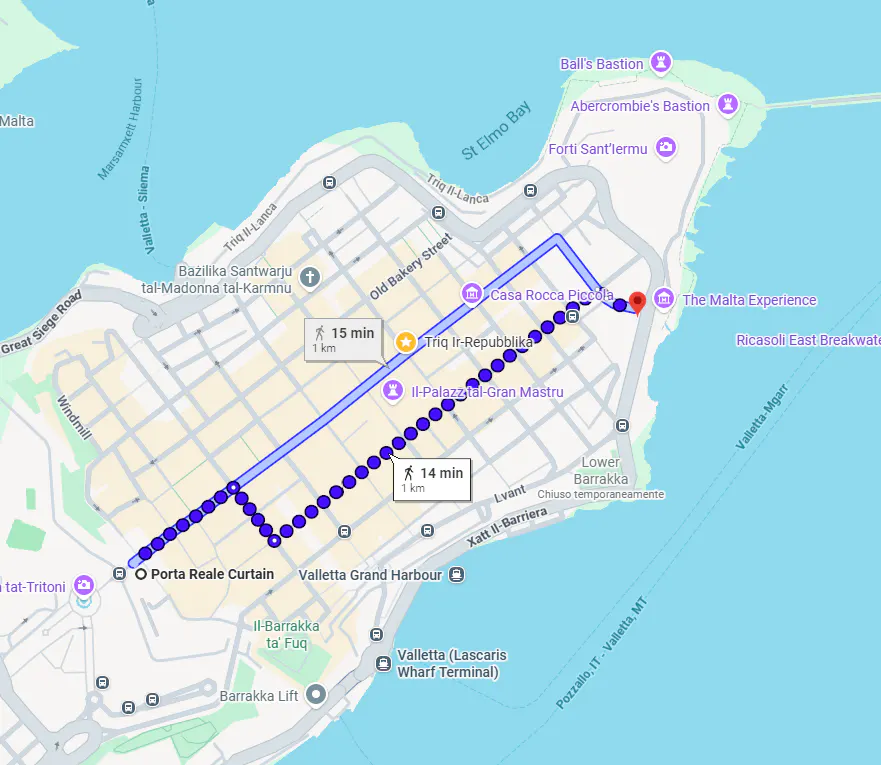
The Sacred Infermeria is located in the final part of Valletta, near Fort St. Elmo and overlooking the Grand Harbour. From City Gate it can be reached on foot in about 20 minutes through the entire historic centre of the capital.
- Hastings Gardens
If after hours of churches, museums and palaces you simply want to sit down for a moment and enjoy the view, make a note Hastings Gardens.
They are located above the fortifications on the western side of Valletta and offer a beautiful view of the Marsamxett Harbour, Manoel Island and Sliema.
They are generally much quieter than Upper Barrakka Gardens.
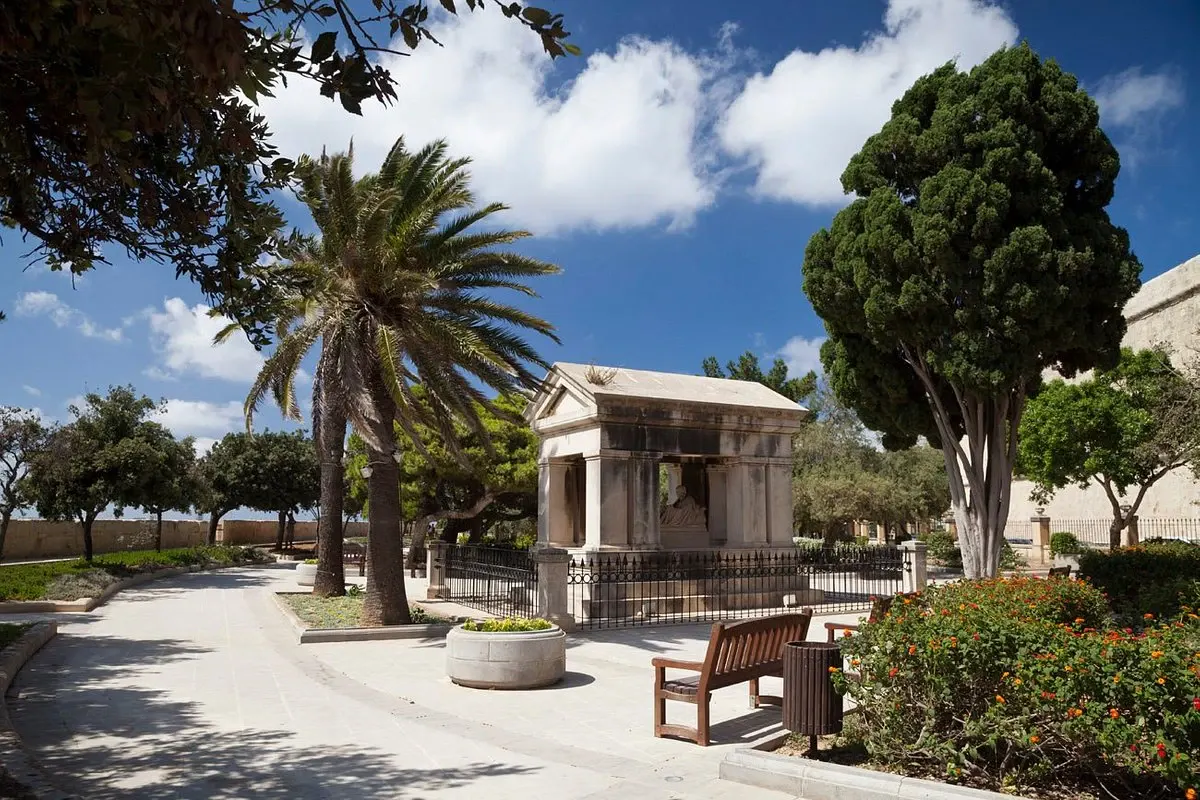
It's one of those places where you can stop, rest and observe Malta without necessarily having to "visit" anything.
If you are staying in Sliema, from here you will probably also be able to locate the area where you are staying on the other side of the harbour.
Curiosity from local:
The walls, 16 meters high and 6 meters wide, offer impressive views of the Marsamxett Harbour and on Forts Manoël and Tigné. Hastings Gardens are named after Governor Rawdon-Hastings, who was Governor of Malta between 1824 and 1826.
How much does it cost?
Entry to Hastings Gardens is free. You don't need to buy any tickets: you can enter freely, stroll through the gardens and enjoy the view of Marsamxett Harbour, Manoel Island, Sliema and Floriana.
How to reach Hastings Gardens in Malta?
Hastings Gardens can be easily reached on foot from Valletta Gate, i.e. City Gate, in about 5 minutes. After passing the Triton Fountain and crossing the main entrance to Valletta, you should not go towards the centre full of shops, but keep to the left side of the city, near the fortifications.
To orient yourself, take as a reference the Parliament of Malta and the walls that line the entrance to Valletta. Instead of continuing towards Republic Street, head left and you will see a large staircase.
As you get closer to Hastings Gardens, you'll start to see the views open up towards Sliema, Manoel Island and the harbour. This is precisely the sign that you have arrived in the right area. The gardens are located above the bastions of St John and St Michael and are recognizable by their quiet avenues, benches, restored fountain and monument dedicated to Lord Hastings.
10. Republic Street: Valletta to experience on foot
Republic Street it is the main artery of Valletta and runs through practically the entire historic centre.
Here you will find shops, cafes, squares, museums, churches and some of the most important buildings in the capital.
Colorful balconies, stairways leading down to the port, old signs, small churches and corners where the sea suddenly appears.
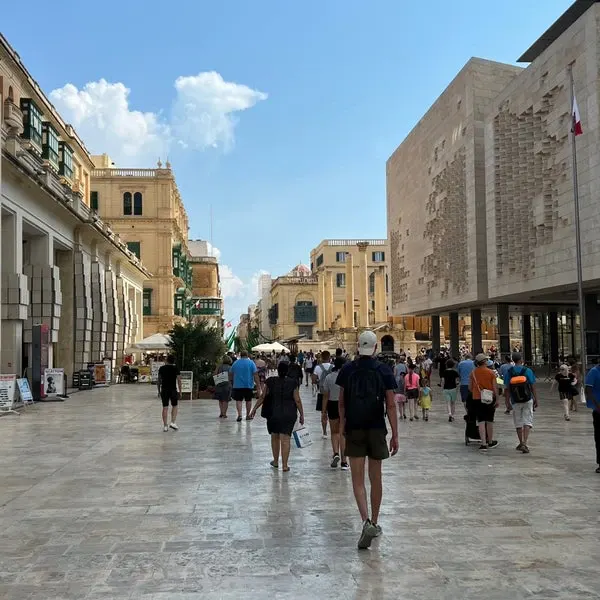
Along Republic Street you can still come across interesting places like the National Museum of Archaeology, St George's Square and Casa Rocca Piccola, a 16th century palace still belonging to the de Piro family and which can be visited as a museum.
In my opinion Valletta should be visited like this: with a list of things to see in your pocket, but with enough time to get lost.
Keep your eyes open, because every step leads to a new monument. The Church of Santa Barbara (nicknamed the Tourist Church), the Church of San Francesco d'Assisi, the Piazza Grande Monument, the Casa Rocca Piccola, etc. these are just some of the many monuments of Via della Repubblica.
Why rely on Maltaforenglish to leave for Malta?
Since 2014 Maltaforenglish organises study holidays and language stays in Malta for students, families and adults.
Thanks to the presence in the area, the experience gained with approximately 15,000 students left with us and the possibility of customizing each project, Maltaforenglish guarantees in every trip safety and tranquility.
If you are thinking of studying English abroad and want to understand which solution is best for you, contact us up WhatsApp, do a free quote or follow us on ours social.