
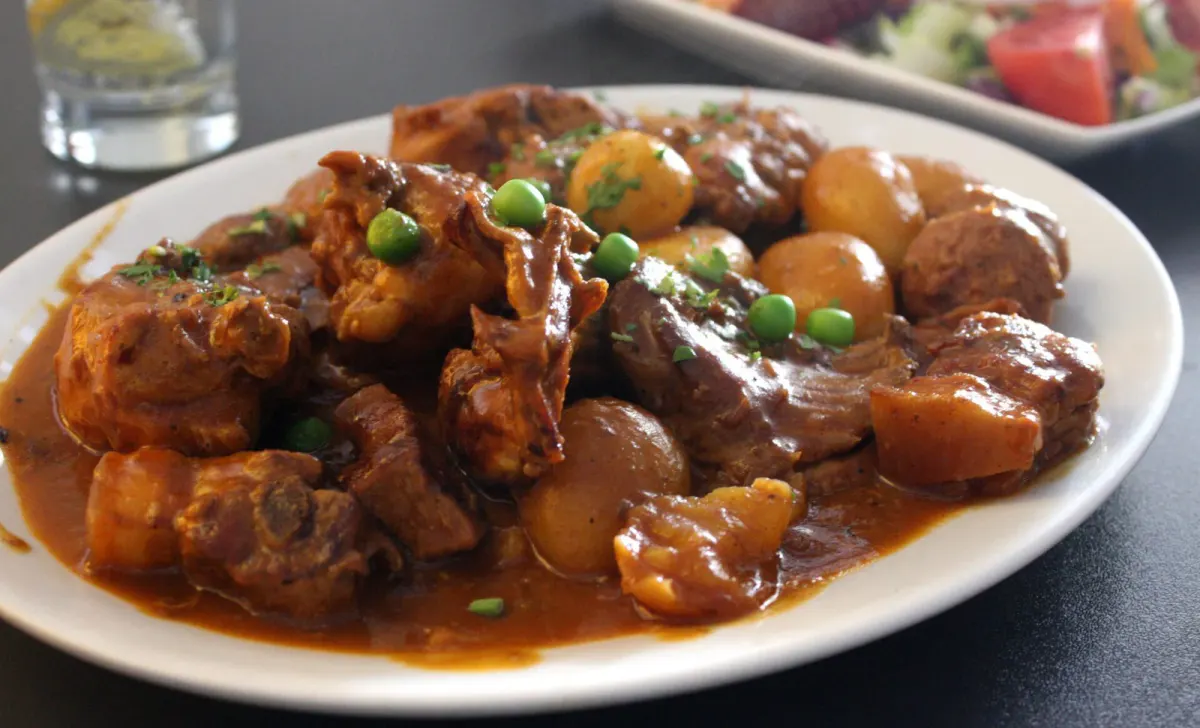
Let's take a little dive into Maltese cuisine and let's find out what to eat in Malta at least once during a trip to the island.
I don't know about you, but when I go abroad I'm always so hungry!
In fact, one of the first things I do before leaving for a trip is to find out what the local gastronomic specialties which I will definitely have to try.
It's certainly not a search I do before booking, but once I've bought the ticket and reserved the hotel, I need to know what to eat in Malta and preparing a list of typical dishes to taste is one of those things that makes me leave more relaxed. :)
Malta is a Mediterranean island and, like many other countries washed by this sea, is characterized by a cuisine rich in different flavors and influences.
The traditional Maltese cuisine in fact, it was born from the encounter between local traditions and the different populations who have inhabited or influenced the archipelago over the centuries: Arabs, Italians, Spanish, French and English.
The result?
Stews, fish, cheeses, bread, vegetables, desserts and many other specialties that are worth trying.
But let's start with the important things.
- Ftira: Maltese bread (with tuna or meat)
First good news: Maltese bread is delicious!
Among the best known specialties we find the ftira, characterized by a crunchy crust on the outside and a soft dough on the inside.
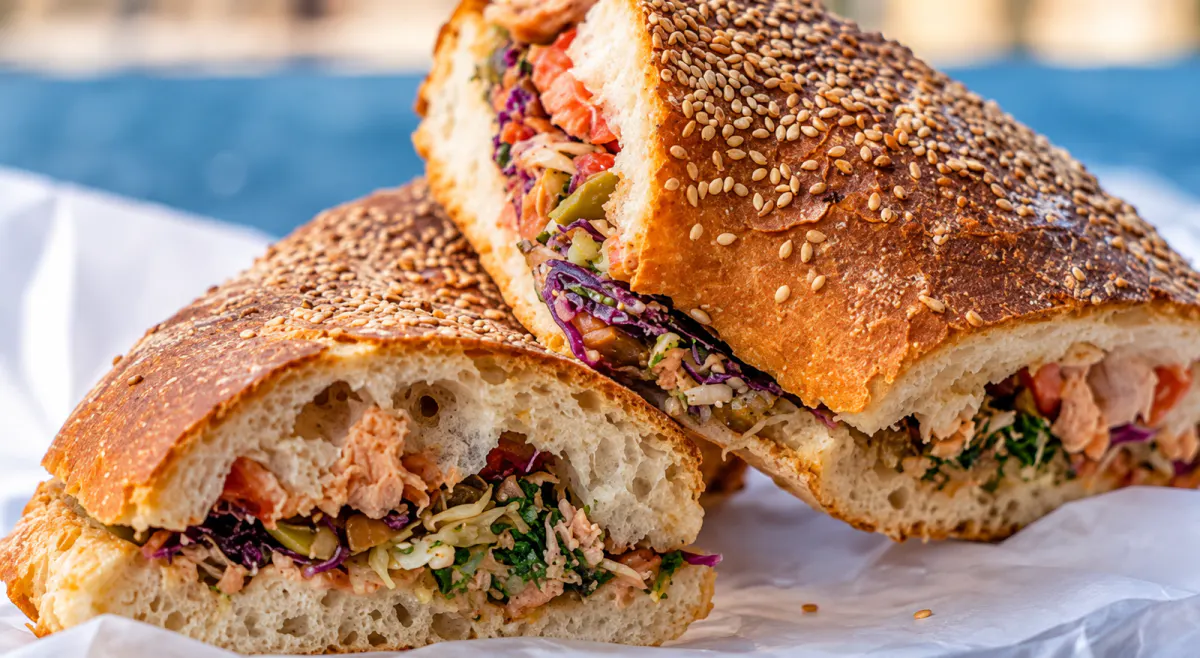
It can be eaten for lunch, dinner, in the office or on the beach and can be seasoned in many ways.
I personally am fond of the tuna one or simply accompanied by a bit of bigilla, a sort of broad bean pâté very common in Maltese cuisine.
I mean, if you're wondering what to eat in Malta for a quick lunch, this is definitely one of the first things to try.
- Aljotta, the Maltese fish soup
Since Malta is an island, fish naturally occupies an important place in local cuisine.
Among the traditional dishes we find thealjotta, a typical fish soup prepared with ingredients such as garlic, tomato and rice.
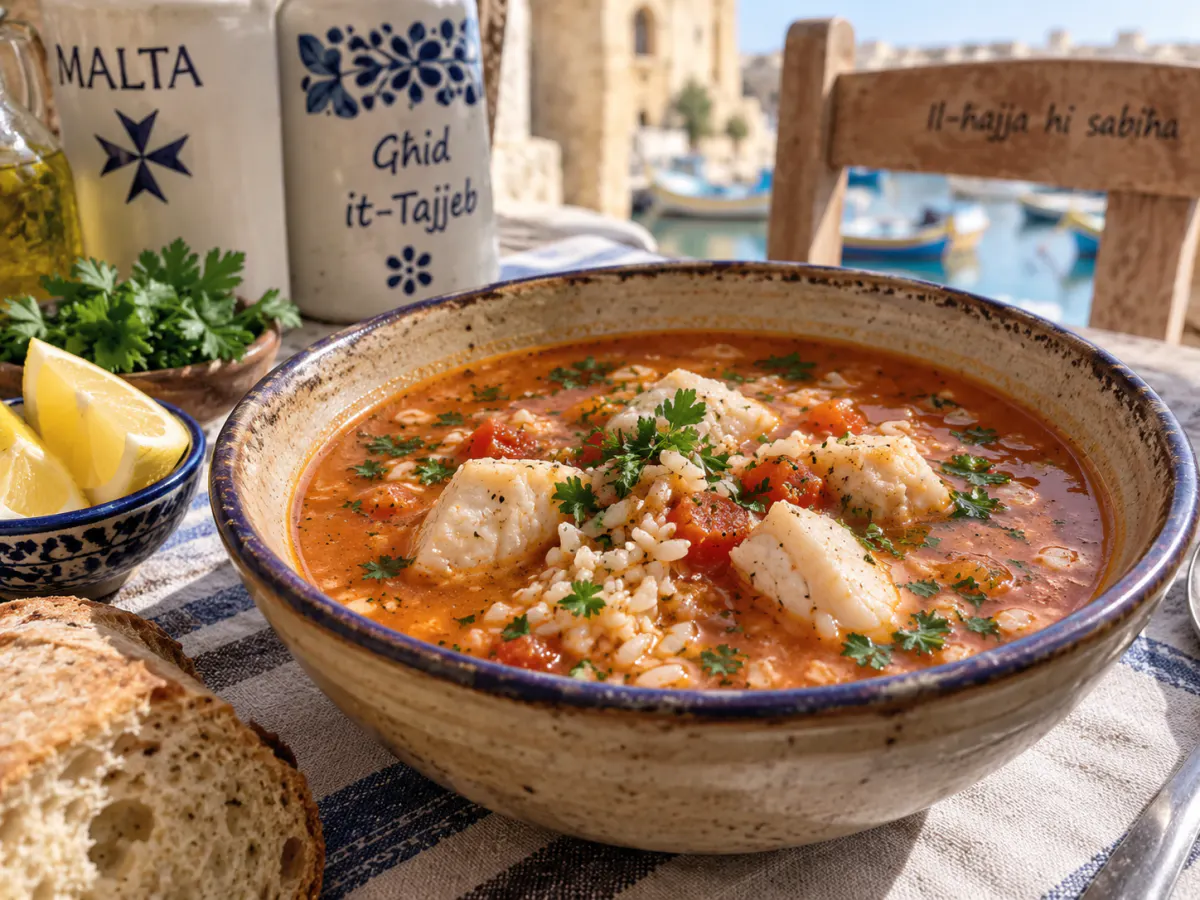
It is one of those dishes that immediately recalls the Mediterranean nature of Maltese cuisine and should be eaten when the temperature drops a little and the warmth of the dish warms you.
- Lampuki: typical Mediterranean fish, healthy and tasty
Maltese cuisine uses only local ingredients which give the dish a unique flavour, as is the case with local fish such asaljotta it is a typical fish stew, thickened with garlic, tomatoes and rice or i lampuki, usually served as fried fish, try them in one of the small restaurants in the town of Marsaxlokk where the characteristic fish market takes place on Sundays.
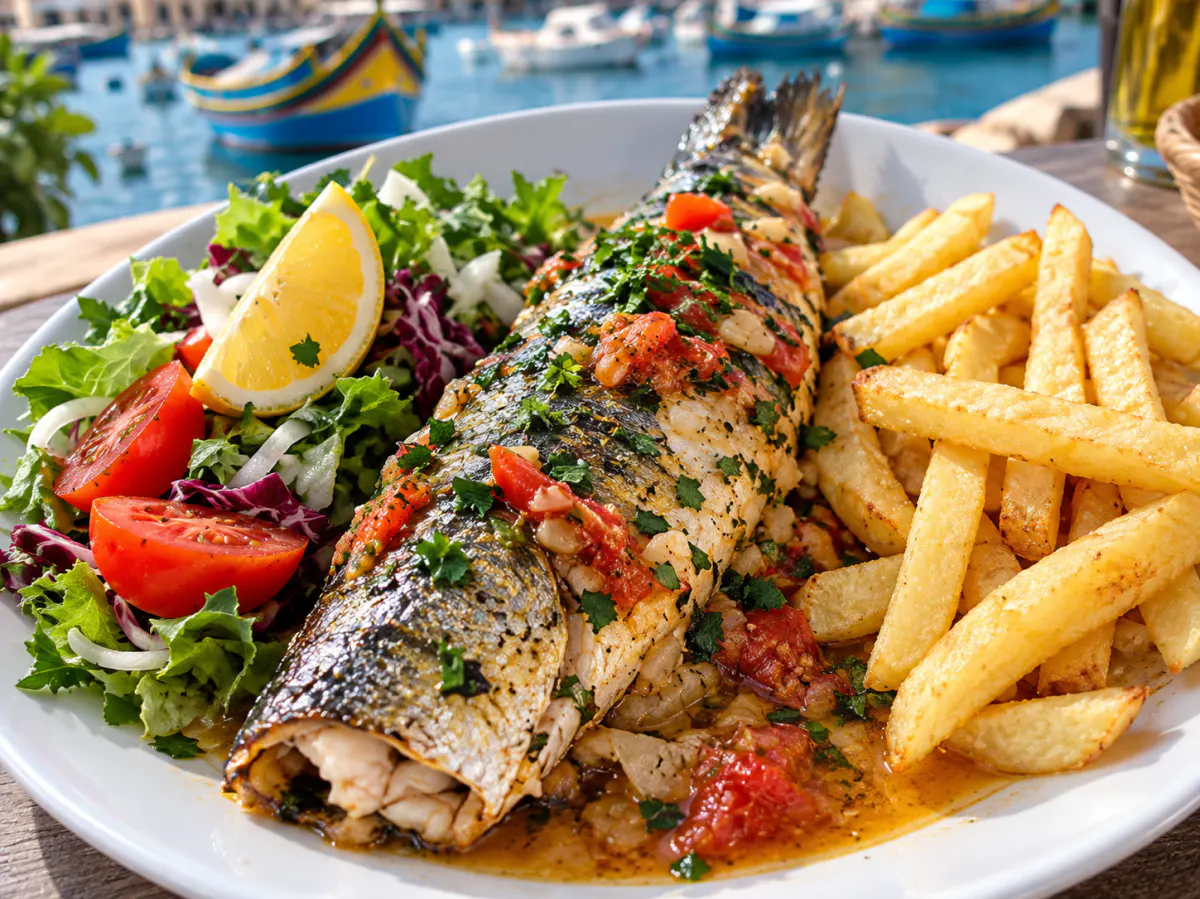
Lampuki, an ideal fish for healthy and tasty recipes. Its meat is highly appreciated and used in various types of preparations, but is usually served grilled so as to keep its taste intact.
Or fried.
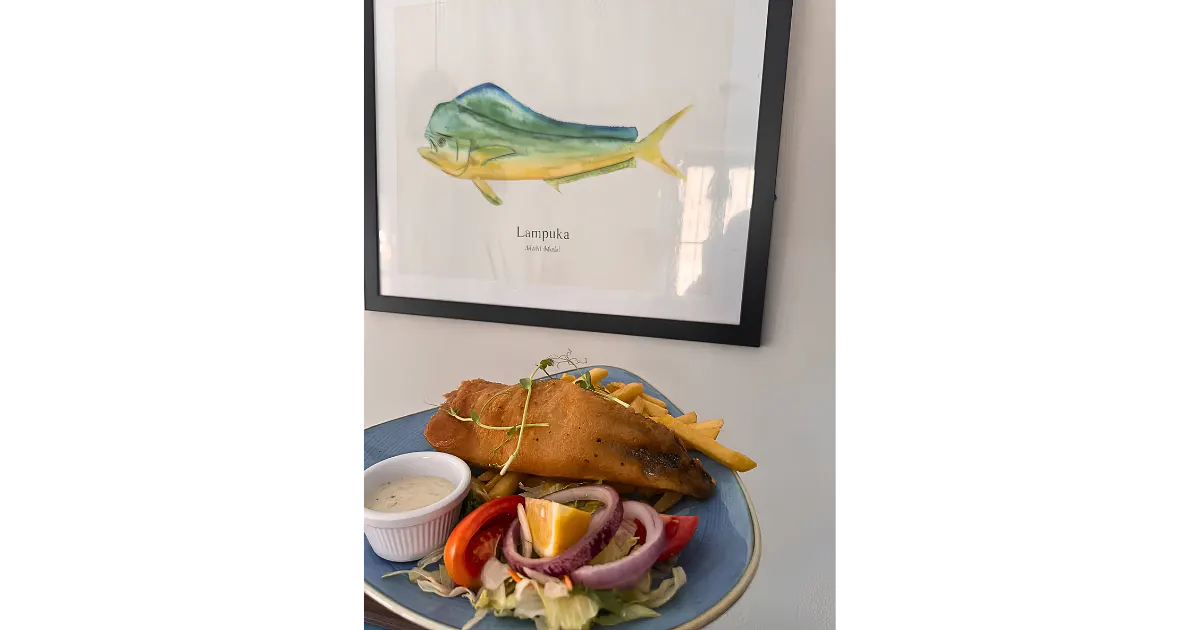
An excellent fish that we recommend is at the Skuna restaurant, in the heart of the south of the island.
Don't know where to go in Malta? Discover our guide 5 places to visit after landing in Malta, with easy and affordable transport options
From a nutritional point of view, lampuki has excellent characteristics that make it ideal for a balanced diet: it has white, compact flesh, tasty but with a delicate flavour, rich in natural oils and rich in Omega-3, and with a consistency similar to that of oily fish.
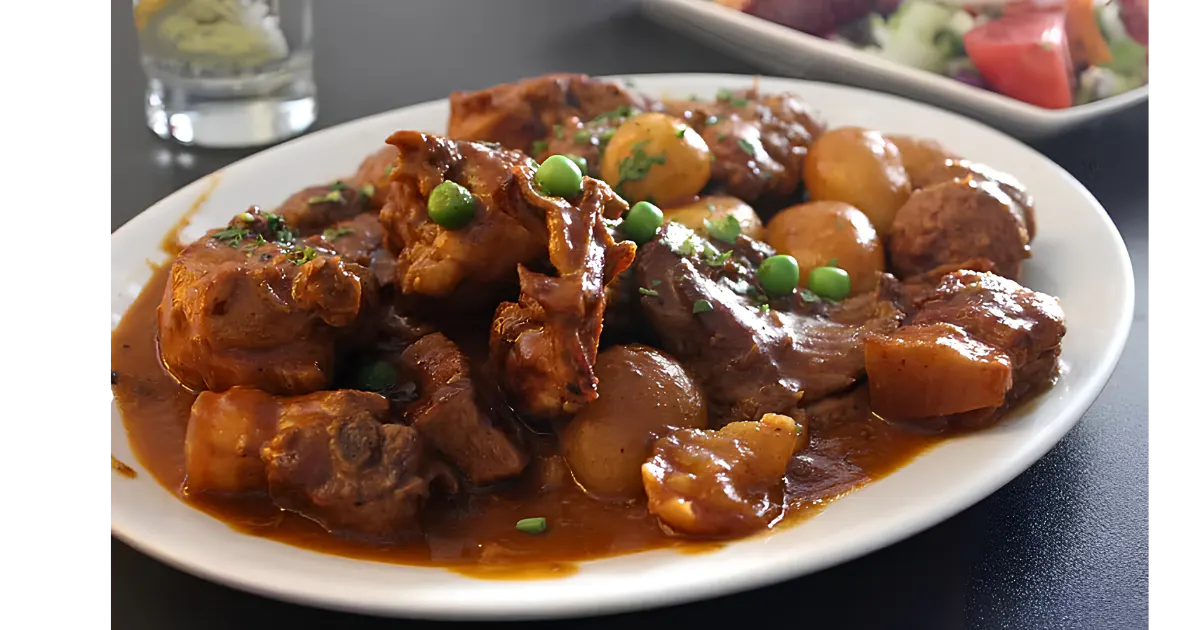
- Stewed rabbit
If we talk about typical Maltese dishes, we can't help but talk about the rabbit.
The "fenek", or rabbit, is one of the most important ingredients of the island's gastronomic tradition and is the basis of numerous recipes.
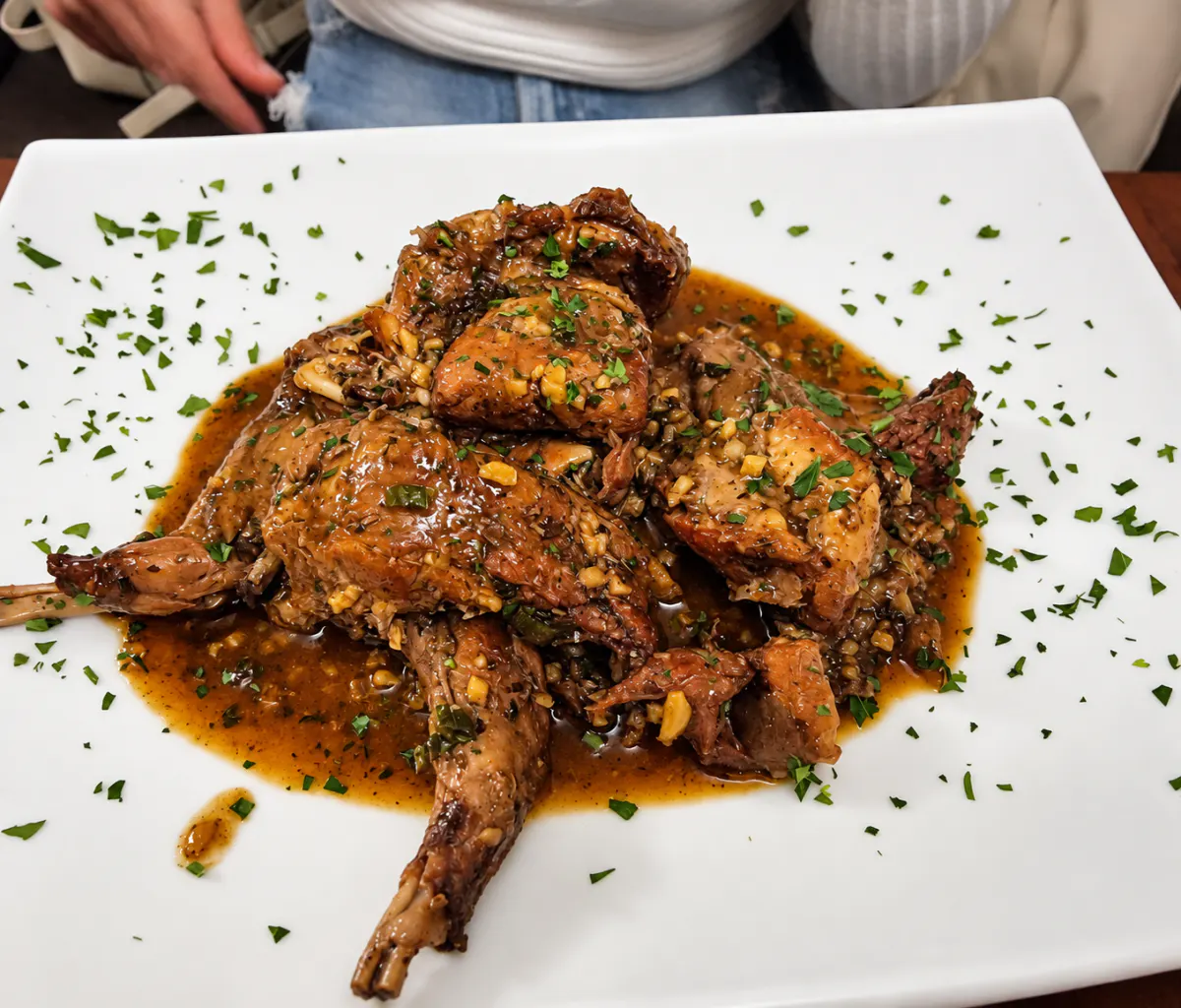
It can start with a first course of spaghetti seasoned with rabbit sauce and continue with the cooked stewed meat, roast or in other ways.
If you want to try something truly traditional during your stay, mark it down.
- Goat cheese: a must on what to eat in Malta
To accompany a glass of wine or a fresh Cola, as an aperitif you could also try Maltese olives, often accompanied by bread and "ġbejna", the characteristic Maltese goat cheese.
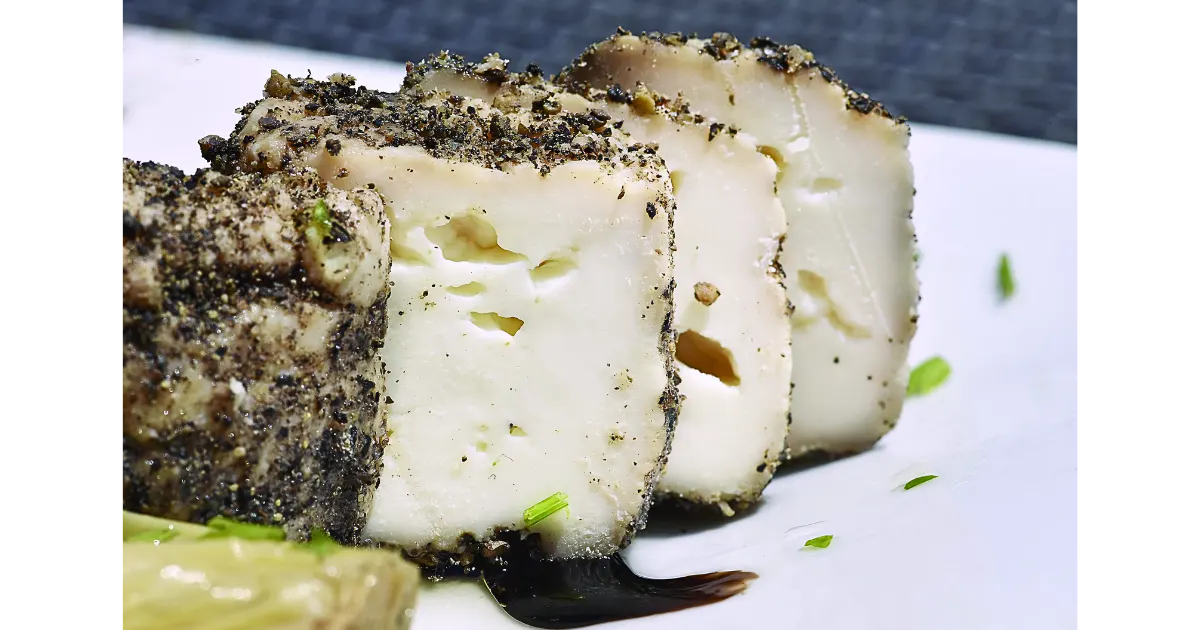
They are small cheeses that are found in different variations and that you will often encounter in the island's cuisine.
Maltese bread, olives, bigilla and ġbejniet can already be an excellent start to enter the world of local gastronomy.
- Maltese savory pies
In Maltese savory pies you may find simple ingredients such as spinach, tuna and other typical products of Mediterranean cuisine.
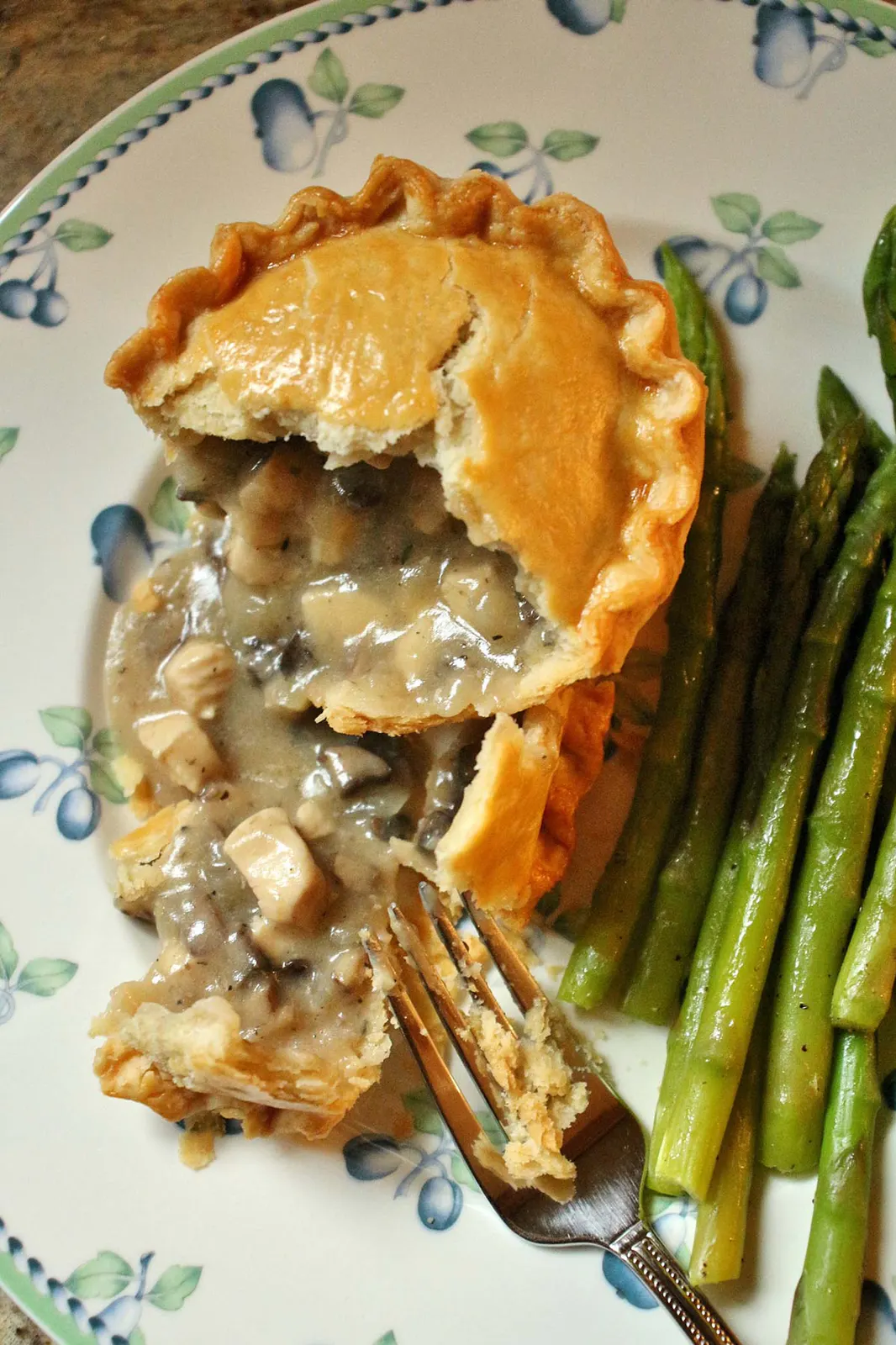
My favourite is the "chicken and mushroom pie", stuffed with chicken and mushrooms with a very creamy and really tasty sauce.
They are perfect for those who want to try something simple during a lunch break or while wandering around the island.
Where to find them? In pastry shops!
They are small, typical Maltese places, often dedicated to takeaway food, where you can find pastizzi, qassatat and other savory rustic dishes at very low prices!
- Pastizzi: the Maltese snack par excellence
And we arrive at probably the most famous snack in Malta: i pastizzi.
They are small crumbly pasta products, traditionally filled with ricotta or with a pea filling.
Pastry shops are present practically everywhere on the island and are easily recognisable.
The advice?
Try them at least once, they are good and also very cheap, they cost about 0.60 cents!
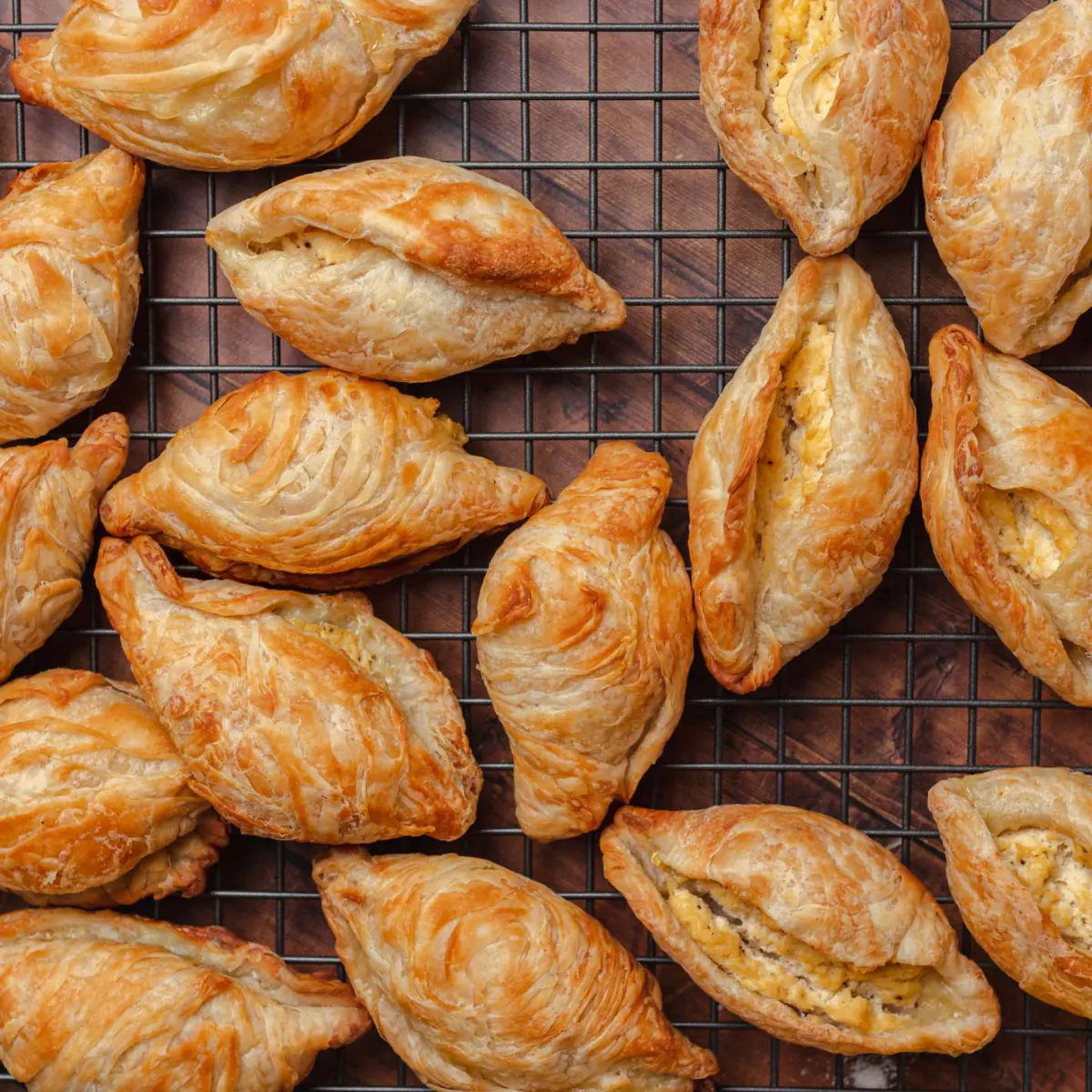
In fact, after the first one you will probably also get a second one.
Which fillings are the best?
- ricotta: creamier and delicate, probably the best flavor to try first;
- peas: tastier and spicier, very traditional.
- chicken: with a soft and tasty filling.
Where to eat the most famous pastizzi? At the "Is-Serkin - Crystal Palace Bar" bar in Rabat, opposite the gates of Mdina, and is one of the best-known historical names for pastizzi and is often listed among the places to try at least once.
How to get there? From Valletta it's simple.
From the Valletta bus terminal you can take one of the lines 50, 51, 52, 53 or 56 heading towards Rabat.
- Prinjolata
Let's move on to the desserts.
The prinjolata it is one of the most particular desserts you might encounter in Malta, especially during the Carnival period.
It is a decidedly rich and sugary cake, traditionally covered with cream and decorated with chocolate, pine nuts and candied cherries.
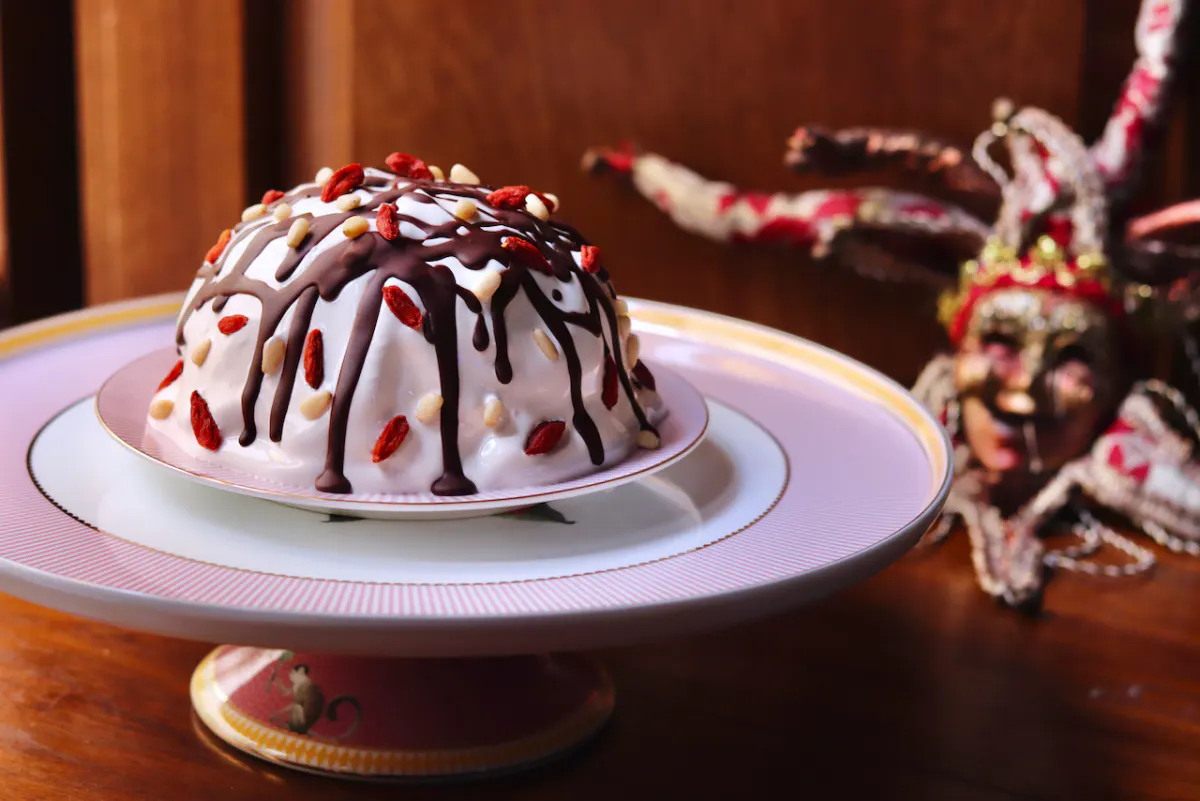
Let's say that it is not exactly the lightest dessert in the world, but if you are in Malta in the right period you should at least try it!
- Figolli
However, if you arrive in Malta during the Easter period, you could meet practically everywhere figoli.
They are traditional desserts prepared in different shapes, often decorated with icing or chocolate and characterized by an almond filling.
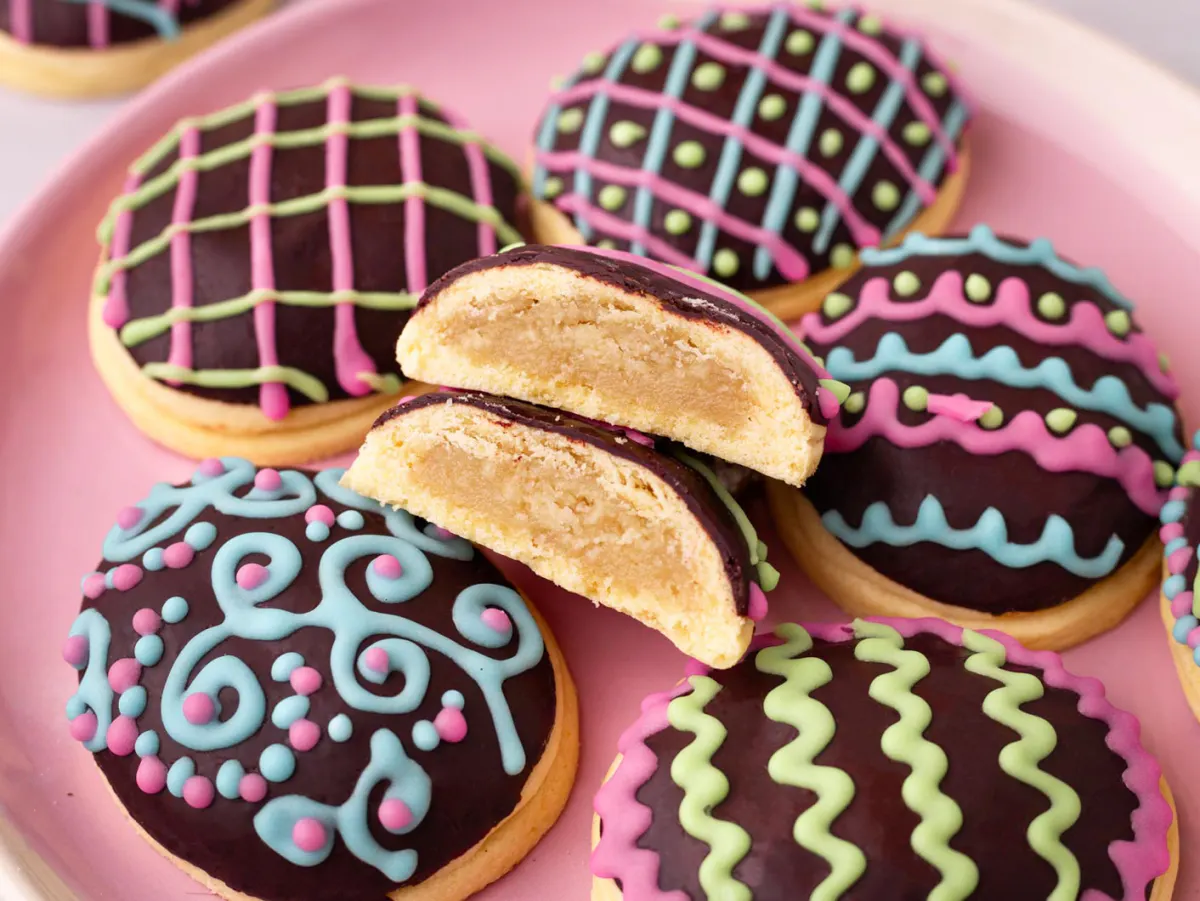
During the Easter period they are practically impossible to miss. The contrast between the slightly crunchy pastry and the soft filling and scented with almonds makes them truly irresistible.
- Imqaret
Another dessert that you will encounter very easily in Malta are the imqaret, soft biscuits filled with dates, traditionally fried and often served still warm.
They are crunchy on the outside, soft and sweet on the inside and are easily found in pastry shops, kiosks and during village festivals. Imqaret are one of the Maltese specialties that are most influenced by the North African influences of the island's cuisine.
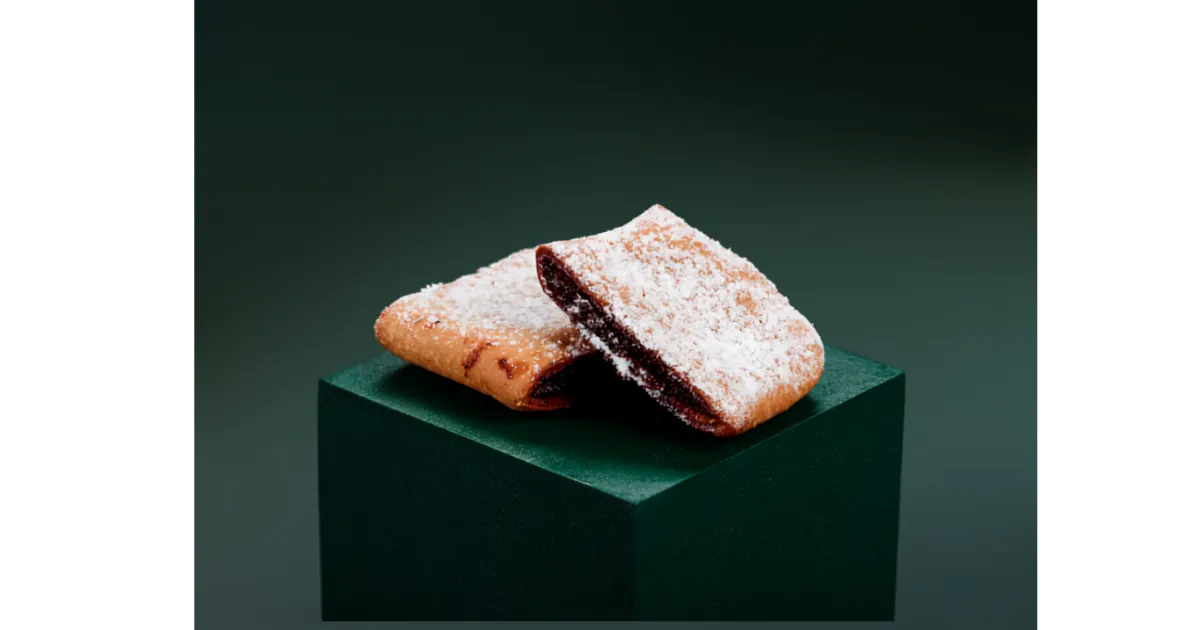
And don't let the name scare you: “imqaret” is much easier to pronounce than it sounds! The Maltese "q" is not read like our "q", but corresponds to a small glottal stop, almost a very short pause in the word.
In short: easier to eat than to explain... and above all it's worth trying!
The price is also inviting: in Maltese kiosks and pastry shops you can generally find them for around 1 or 2 euros each. However, if you order them at the restaurant as a dessert the price can be around 6 euros, served hot with a tasty scoop of ice cream.
Discover Malta
Studying English in Malta isn't just about walking into class and opening a book.
It also means getting to know a different country, experiencing its cities, meeting new people and, of course, try Maltese cuisine.
So, if you are organising your stay, feel free to start preparing your personal list of things to taste.
And if you want more information about Malta, the local cuisine or want some advice on what to do during your language study trip, you can contact us through our channels.
And if you haven't organised the trip yet, you can too discover our language courses in Malta and request a free quote.
Why rely on Maltaforenglish to leave for Malta?
Since 2014 Maltaforenglish organises study holidays and language stays in Malta for students, families and adults.
Thanks to the presence in the area, the experience gained with approximately 15,000 students left with us and the possibility of customizing each project, Maltaforenglish guarantees in every trip safety and tranquility.
If you are thinking of studying English abroad and want to understand which solution is best for you, contact us up WhatsApp, do a free quote or follow us on ours social.