
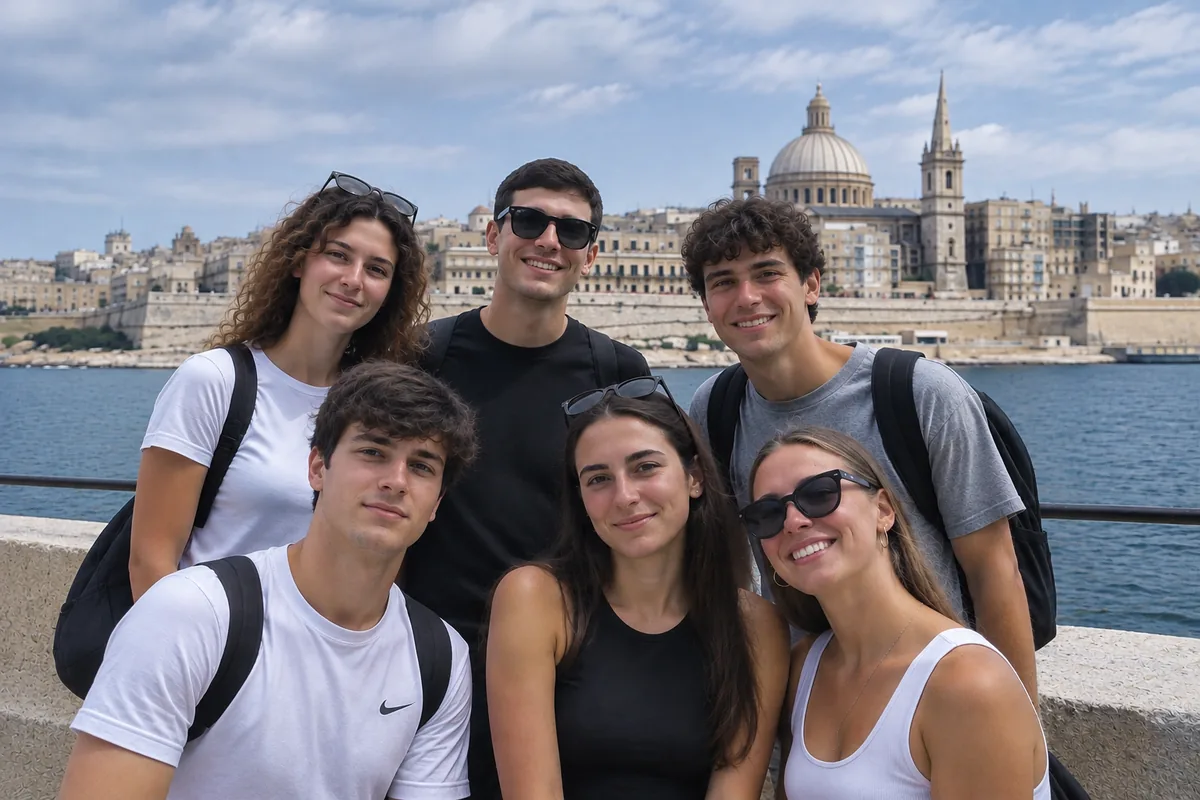
A study trip is an experience abroad that combines learning a foreign language with cultural activities, excursions and free time. It can suit different ages and goals, including teens, adults, teachers and school groups.
But how does it actually work? Do you need to speak English already? And how long should you stay to make progress? Here is what to consider before organising your trip.
What is a study trip and how does it differ from an ordinary holiday?
The main difference is the purpose of your stay: improving your knowledge of a foreign language. Part of the day is spent in lessons at a language school, while the remaining time gives you opportunities to explore the destination and use what you have learnt.
That does not mean spending the whole day studying from books. Ordering a coffee, asking for directions, meeting new friends and joining group activities all become opportunities to practise.
Immersion in the language can help you develop independence, confidence in communicating and cultural awareness beyond the classroom.
Study trips for adults
Many adults choose a stay abroad to improve their English during a holiday or a career break. Some are preparing for an international interview, others want to travel more independently, while others simply want to speak without getting stuck.
A study trip for adults can be organised around your needs. Courses to consider include:
- General English: speaking, listening, grammar and vocabulary.
- Exam preparation: courses for qualifications such as IELTS or Cambridge, subject to availability.
- Professional English: to use the language in the workplace.
The duration can be flexible: one or two weeks, a month or a longer stay, depending on the programme and the time you have available. Accommodation should be chosen alongside the course, whether an apartment, a residence or another option offered by the selected programme.
What if you travel alone? Many students take the trip independently and meet people from other countries during lessons and organised activities.
Study trips for teens under 18
For many teenagers, a study trip is one of their first experiences abroad away from their family. It can be more than an English course: an opportunity to practise the language, become more independent and learn to adapt to a new environment.
How do language holidays for minors work?
Programmes for under-18s are generally more structured than those for adults. Before choosing, check the age range, organisation, supervision and services provided. They may include:
- English lessons organised by language level.
- Sports, leisure and cultural activities.
- Excursions to explore the destination.
- Accommodation with a host family or in a residence, depending on the programme.
- Support and supervision as described in the programme.
- Opportunities to meet international students.
In Malta, activities may include days by the sea, visits to Valletta, excursions to Comino and group experiences. To explore the available package, see the MaltaforEnglish Teen programme.
Study trips for teachers and schools
A study trip can also benefit schools and education professionals. Its goals can go beyond English to include teaching, professional and intercultural skills.
Language stays for school groups
Schools can organise stays during the academic year, choosing programmes that suit their students’ ages and learning goals. English lessons can be combined with cultural activities, educational visits and subject-related experiences.
- English language courses.
- CLIL activities and cross-curricular workshops.
- STEM, robotics, marketing, artificial intelligence and sustainability workshops, depending on the project.
- Cultural and company visits included in the chosen programme.
Explore the programmes for schools and groups to build a stay around your school’s learning goals.
Language and professional development for teachers
Teachers can choose English courses, teaching methodology and specialist programmes such as CLIL and ELT. Job shadowing opportunities may also be available, focusing on observing educational practice and exchanging ideas in an international setting.
Eligibility for an Erasmus+ project or Italy’s Carta del Docente must be checked for the course, provider and eligible expenses. Do not assume that the entire stay is funded. Explore the teacher training programmes and clarify the requirements before confirming your booking.
What does a study trip package include?
A MaltaforEnglish package can bring together several services in a personalised proposal. “All inclusive” should always be read alongside the inclusions and exclusions in your quote: packages differ for adults, teens, teachers and schools.
- English course: school lessons and an initial level assessment, following the course arrangements.
- Learning materials: books, handouts or other resources provided by the course.
- Accommodation: a host family, residence, apartment or hotel, among the options offered by the selected programme.
- Airport transfer: transport between the airport and accommodation, with return journeys when included.
- Activities and excursions: cultural visits, entertainment and organised experiences when included.
- Support: help from the team before departure and during your stay, as agreed in your package.
- Final attendance certificate: a document issued by the school with the information provided for that course.
Before booking, check flights, meals, insurance, optional activities and supplements separately. For example, flights and meals are not included in the published adult packages. An attendance certificate is not automatically equivalent to an IELTS or Cambridge qualification.
How does a study trip work? A typical day
Do you study from morning until evening? Is there time to explore? The schedule depends on the season, course and programme, but it generally combines lessons with opportunities to practise the language outside school.
An example day in Malta with morning lessons
- 7:00–8:30 · Breakfast. Start the day at your accommodation or with fellow students.
- 9:00–12:30 · English lessons. Speaking, grammar, listening and group work, with the school’s scheduled break.
- 13:00–14:00 · Lunch. Take a break to eat and chat with other students.
- 14:30–18:30 · Activities or free time. Excursions, sport and cultural visits, depending on your package.
- 18:30–19:30 · Relaxation and dinner. Rest and get ready for the evening.
- From 20:45 · Evening activities. Organised games and social activities in programmes that include them.
This is only an example. Lessons may also take place in the afternoon, for example from 13:00 to 16:30, with activities and free time arranged around them. Timetables and meals follow the actual programme.
How long does a study trip last?
The duration depends on your available time, starting level and goals. There is no single option that suits everyone.
- One week can provide a first experience of life abroad and a short English course.
- Two weeks allow you to settle into the school, meet new people and use the language more often in everyday life.
- Four weeks or more offer more opportunities to consolidate what you know and build a routine of study and conversation.
No duration automatically guarantees that you will reach a particular level. Progress also depends on course intensity and how much English you use outside class. To compare your options, read one, two or four weeks: which is best?
Do you need to know English before you travel?
You do not necessarily need to speak fluently already. Schools generally offer courses for beginners, intermediate and advanced students, depending on the levels available on your chosen dates. An initial test helps identify a suitable class.
If you are a complete beginner, check that a suitable course is available before booking. You may feel a little disoriented at first, especially on your first trip abroad, but everyday situations can also help you gain confidence.
You do not need perfect English before taking a study trip: learning it is part of the reason to go.
Why choose Malta for a study trip?
Malta is a European destination to consider for studying English abroad. English is one of the country’s official languages alongside Maltese and is also used in daily life, as noted by VisitMalta’s study information.
- Easy access from Italy: flights from several airports, subject to the schedules available for your dates.
- Mediterranean climate: opportunities to enjoy the island outdoors at different times of year.
- English schools: programmes for different ages, levels and needs.
- An international environment: opportunities to meet students from other countries.
- Sea, history and culture: plenty of opportunities to combine lessons with exploring the destination.
For minors, the supervision arrangements, programme rules and local contacts are particularly important. Clarify these points with the organiser and family before departure.
Why choose MaltaforEnglish?
Since 2014, MaltaforEnglish has organised language holidays and study stays in Malta for students, families and adults. The Italian team based on the island helps participants choose courses, accommodation and services that suit their goals.
To find out which option suits you, message us on WhatsApp or request a free quote. Tell us your age, preferred dates, duration and goal so we can help you compare proposals.
FAQ
What is a study trip?
It is a stay abroad combining a language course with opportunities to use the language in everyday life, explore the destination and join activities. The package depends on your age, goals and selected programme. Unlike an ordinary holiday, part of your stay is dedicated to organised lessons and opportunities to practise the language.
What does a study trip package include?
It may include a course, learning materials, accommodation, transfers, support, activities and an attendance certificate. Not every package includes every service: always check the quote’s inclusions and exclusions, especially flights, meals and insurance. When comparing offers, request a written summary of included services, dates and any supplements that apply to your chosen package.
Can you travel without speaking good English?
Yes. Many courses welcome different levels and include an initial assessment. If you are a complete beginner, check that a suitable course is available on your chosen dates. You do not need to wait until you are fluent before planning the experience. Choose a course that suits your starting level, and use everyday situations as further opportunities to improve.
How long should your stay be?
It depends on your available time, starting level and goals. One week provides an introduction; two weeks give you more time to settle in; four weeks or more allow more sustained practice. Duration alone does not guarantee a language level. Lesson frequency, personal commitment and how much you use English outside the classroom also matter.
Can a minor take part in a study trip?
Yes, by choosing an age-appropriate programme. Families should understand the organisation, accommodation, transfers, activities, supervision and rules, and clarify local contacts before confirming the booking. Travel documents, required authorisations and accompaniment arrangements must also be checked for the individual participant and specific trip.
Can you take a study trip on your own?
Many adults travel independently and meet other students during lessons and activities. For minors, participation and accompaniment arrangements follow the chosen programme and must be checked with the family before booking. In either case, choose your course, accommodation and support around your needs rather than assuming that every package includes the same services.